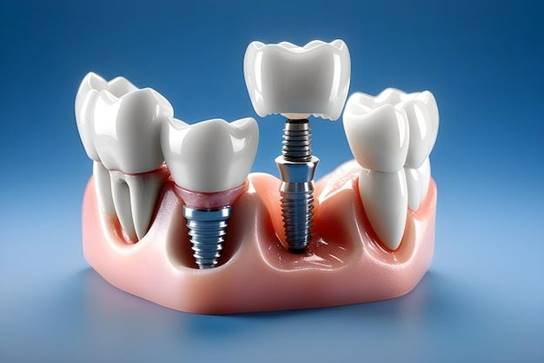
Dental bridges have become a popular and effective solution for individuals who have lost one or more teeth. They help restore the functionality and aesthetics of a smile while also preventing remaining teeth from shifting. However, one of the most commonly asked questions by patients is: Are dental bridges permanent? This blog will provide an in-depth understanding of dental bridges, their durability, and how to make them last as long as possible.
What Are Dental Bridges?
A dental bridge is a fixed dental restoration used to replace one or more missing teeth. It typically consists of two crowns placed on either side of the gap (abutment teeth) and a false tooth (pontic) in the middle to fill the space left by the missing tooth. Dental bridges can be made from materials like:
- Porcelain
- Ceramic
- Metal alloys
- Composite resin
The primary purpose of a dental bridge is to restore chewing function, aesthetics, and prevent teeth from shifting due to tooth loss.
Are Dental Bridges Permanent?
The straightforward answer is no, dental bridges are not considered permanent, but they are designed to be long-lasting. With proper care and maintenance, a dental bridge can last anywhere from 5 to 15 years or longer. However, several factors determine the lifespan of a dental bridge.
Expected Lifespan of Dental Bridges
The longevity of dental bridges typically depends on the following factors:
- Material Used: Porcelain, ceramic, and metal-based bridges offer higher durability.
- Oral Hygiene: Consistent oral care can extend the bridge’s lifespan.
- Dental Visits: Regular check-ups and professional cleanings prevent bridge damage.
- Lifestyle Habits: Avoiding hard or sticky foods and not using teeth as tools can prevent premature bridge failure.
Although dental bridges may eventually need to be replaced, they provide a long-term solution for missing teeth when maintained properly.
Why Are Dental Bridges Not Permanent?
Although dental bridges are fixed restorations, they are not classified as “permanent” because:
- Natural Wear and Tear
Like natural teeth, dental bridges experience daily wear and tear from chewing, grinding, and biting. Over time, the bridge material can weaken, requiring repair or replacement.
- Gum Recession
As you age, your gums may naturally recede or shift. This can expose the margins of the dental bridge, allowing bacteria to accumulate and cause decay underneath the crown or bridge. In such cases, the bridge may need to be replaced.
- Dental Decay on Supporting Teeth
The teeth supporting the dental bridge (abutment teeth) are still susceptible to decay if not properly cared for. If the supporting teeth weaken or decay, the bridge may loosen or fail altogether. Proper oral hygiene and regular dental visits can prevent this.
- Accidental Damage
Biting on hard objects, teeth grinding (bruxism), or accidents can lead to cracks or fractures in the bridge. While some damages can be repaired, severe damage may require a full bridge replacement.
- Changes in Oral Health
Over time, changes in oral health, such as bone loss, shifting teeth, or periodontal disease, can compromise the fit and function of a dental bridge. This can necessitate bridge replacement or adjustment.
How Long Do Dental Bridges Last?
On average, dental bridges can last:
- 5 to 15 years with standard care.
- 15 years or more with excellent oral hygiene and routine dental visits.
However, the exact lifespan depends on the type of bridge and how well the patient takes care of it.
How to Make Your Dental Bridge Last Longer
Although dental bridges are not permanent, you can extend their lifespan significantly by following these care tips:
- Maintain Excellent Oral Hygiene
Proper oral care is critical in prolonging the life of a dental bridge. Here’s what you should do:
- Brush twice daily using a fluoride toothpaste.
- Floss daily to remove plaque from around the bridge and underneath the pontic.
- Use an antibacterial mouthwash to reduce bacterial growth.
- Consider using interdental brushes or water flossers for hard-to-reach areas.
- Avoid Hard and Sticky Foods
Certain foods can weaken or damage your dental bridge, such as:
- Hard foods like ice, nuts, hard candy, or bones.
- Sticky foods like caramel, gum, or chewy candies.
- Acidic foods that can erode the natural teeth supporting the bridge.
By avoiding these foods, you can prevent accidental damage to your bridge.
- Protect Against Teeth Grinding
If you suffer from bruxism (teeth grinding), wearing a custom-made night guard can protect your dental bridge from excessive pressure and prevent cracks or damage.
- Regular Dental Check-Ups
Visiting your dentist every six months for professional cleanings and exams is crucial. Your dentist will:
- Check the condition of your bridge.
- Detect any decay or damage early.
- Clean underneath the bridge to prevent plaque buildup.
Regular dental visits can significantly extend the lifespan of your dental bridge.
- Avoid Using Teeth as Tools
Never use your teeth (or dental bridge) to open packages, bottles, or bite on hard objects. This can cause the bridge to crack or come loose.
Signs That Your Dental Bridge May Need Replacement
Although dental bridges are durable, there are clear signs that indicate it may be time for a replacement:
- Loosening or movement of the bridge.
- Pain or sensitivity around the bridge area.
- Visible cracks or damage on the bridge.
- Gum recession exposing the bridge margins.
- Bad breath or taste indicating hidden decay.
If you notice any of these signs, schedule an appointment with your dentist immediately.
Can Dental Bridges Be Replaced?
Yes, dental bridges can be replaced if they become damaged, loose, or worn out. The replacement process is similar to the initial placement and may involve:
- Removing the old bridge.
- Evaluating the supporting teeth.
- Creating a new custom bridge.
Modern dental technology allows for highly durable and natural-looking bridge replacements.
Conclusion
While dental bridges are not considered “permanent,” they offer a long-lasting and reliable solution for missing teeth. With proper care, regular dental visits, and healthy oral habits, a dental bridge can last 15 years or more. However, it’s essential to remain proactive about your oral health to prevent complications that may lead to bridge failure. If you currently have a dental bridge or are considering getting one, consult with your dentist about the best practices to ensure its longevity. A well-maintained dental bridge can give you a functional and beautiful smile for many years to come.