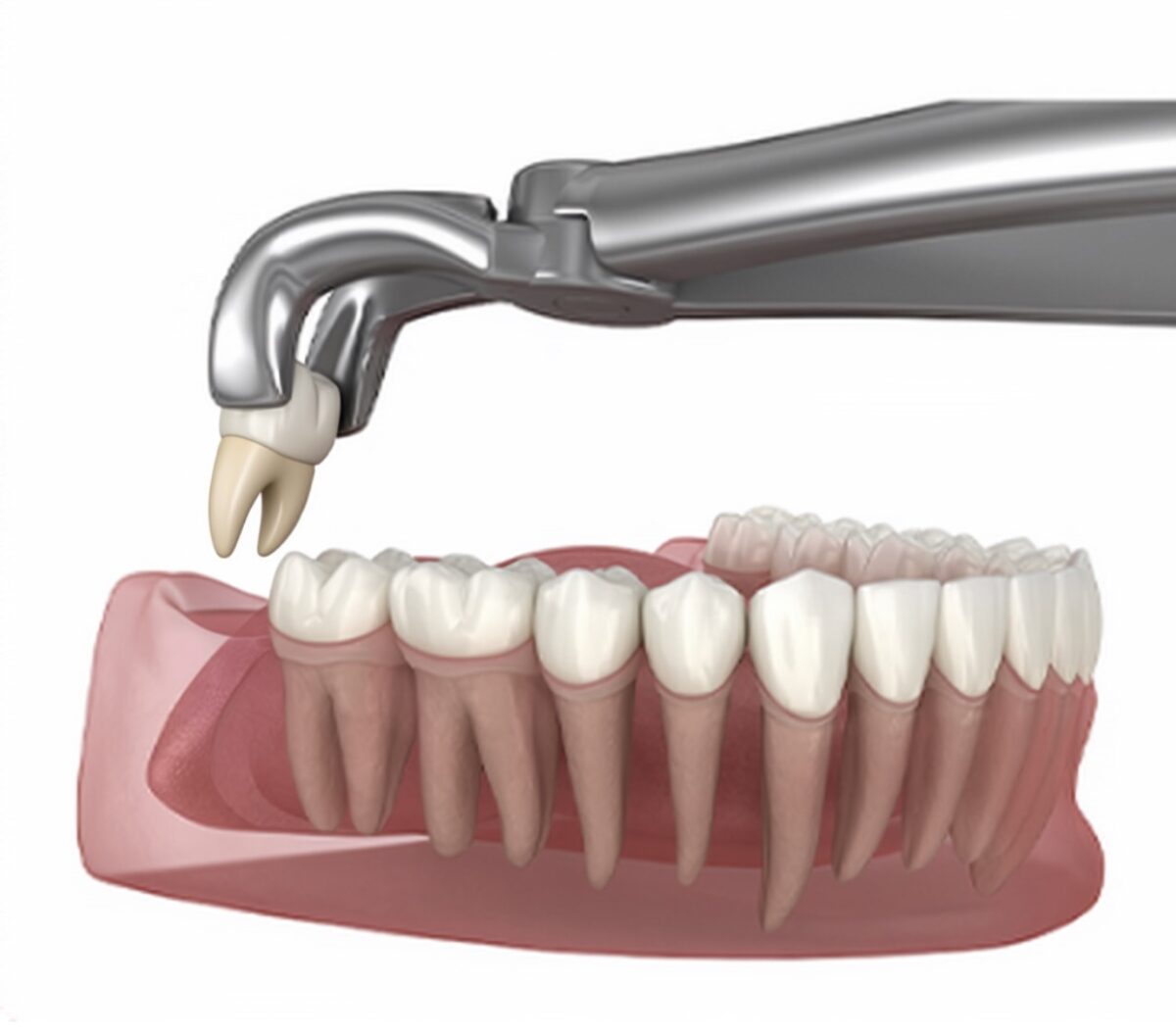
Wisdom teeth—also known as third molars—are the last set of teeth to develop, usually appearing in your late teens or early twenties. While some people never have issues, many experience problems due to lack of space, improper growth, or infection.
Ignoring warning signs can lead to pain, swelling, and more serious dental complications. Knowing when your wisdom teeth need attention can help you act early and avoid bigger problems.
Here are five clear signs your wisdom teeth may need to be removed as soon as possible.
1. Persistent Pain in the Back of Your Mouth
One of the earliest and most common signs is ongoing pain or discomfort at the back of your mouth.
This pain may:
- Come and go at first
- Feel like pressure or throbbing
- Worsen when chewing
As wisdom teeth try to emerge, they can push against nearby teeth or become trapped under the gums, causing irritation.
If the pain becomes consistent, it’s a strong signal that something isn’t right.
2. Swollen, Red, or Bleeding Gums
Inflammation around the wisdom teeth area is another major warning sign.
You may notice:
- Swollen or tender gums
- Redness near the back molars
- Bleeding when brushing
This condition, often called pericoronitis, happens when bacteria get trapped under the gum flap covering a partially erupted tooth.
If left untreated, it can lead to infection and increased discomfort.
3. Jaw Pain or Stiffness
Wisdom teeth can put pressure on your jaw, especially if they are impacted (stuck beneath the gum or bone).
This may cause:
- Jaw soreness
- Difficulty opening your mouth fully
- Pain near the ear or along the jawline
In some cases, the discomfort can spread to your head and neck, making it feel like a persistent ache.
4. Bad Breath or Unpleasant Taste
If you’re experiencing chronic bad breath or a bad taste in your mouth, your wisdom teeth could be the cause.
Partially erupted wisdom teeth create spaces where:
- Food gets trapped
- Bacteria build up
- Infection develops
Even with regular brushing, these areas can be hard to clean properly.
This can lead to:
- Persistent bad breath
- Foul taste that doesn’t go away
These symptoms often indicate bacterial buildup or infection.
5. Crowding or Shifting Teeth
Wisdom teeth can push against your existing teeth as they grow, especially if there isn’t enough space in your mouth.
This pressure can cause:
- Crowding
- Teeth shifting out of alignment
- Changes in your bite
This is particularly concerning if you’ve had orthodontic treatment in the past, as wisdom teeth can undo alignment over time.
Why Acting Early Matters
Delaying treatment can lead to more serious complications, such as:
- Infections
- Cysts around the tooth
- Damage to nearby teeth
- Increased pain and swelling
In many cases, removing wisdom teeth early is simpler and allows for a faster, smoother recovery.
What to Expect From Wisdom Tooth Removal
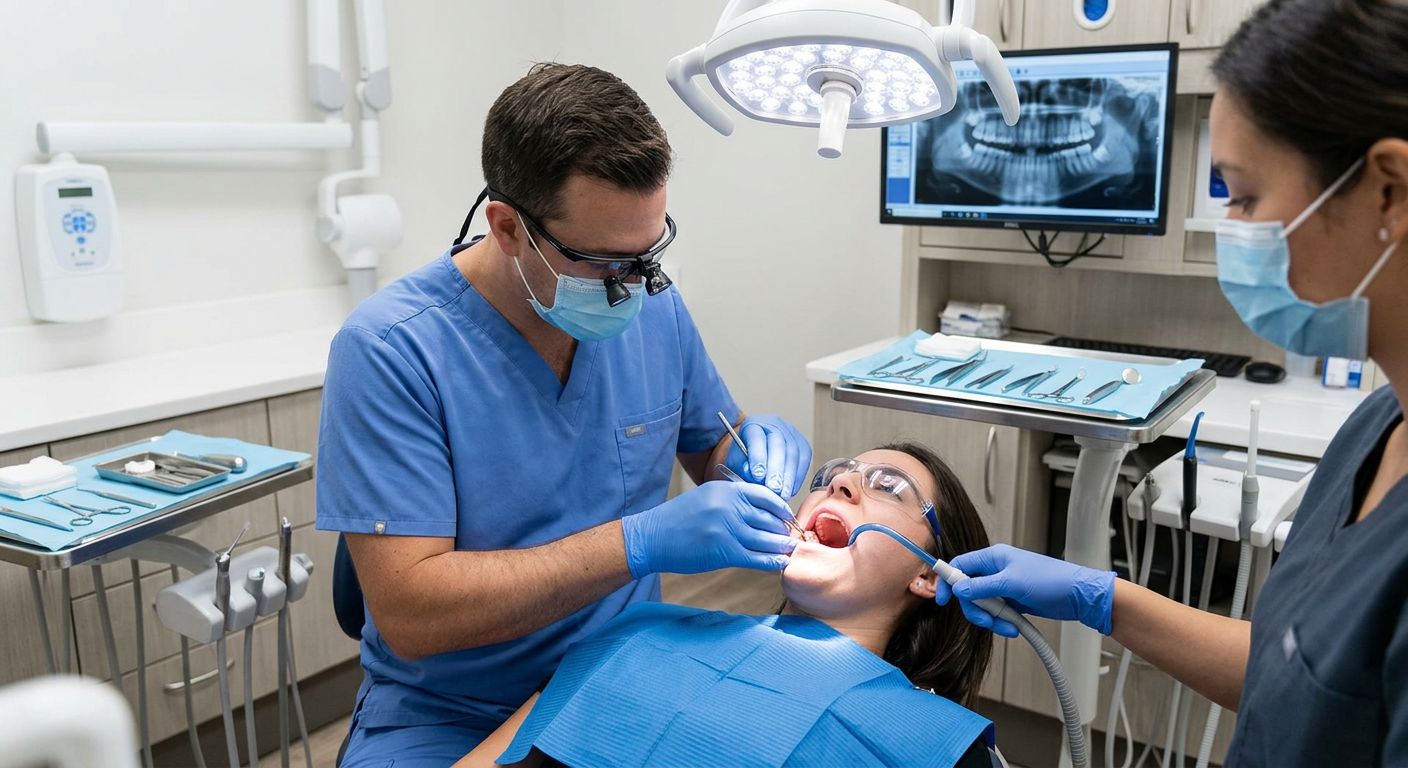
Wisdom tooth extraction is a common procedure performed by dentists or oral surgeons.
The process typically involves:
- Numbing the area (local anesthesia or sedation)
- Removing the tooth
- Providing aftercare instructions
Most people recover within a few days, with mild swelling and discomfort that gradually improves.
When to See a Dentist
You should schedule a dental visit if you experience:
- Ongoing pain in the back of your mouth
- Swelling or bleeding gums
- Jaw stiffness
- Bad breath that won’t go away
- Changes in your teeth alignment
Early evaluation can prevent complications and help determine whether removal is necessary.
Final Thoughts
Wisdom teeth don’t always need to be removed—but when they start causing problems, it’s important not to ignore the signs.
Persistent pain, swelling, jaw discomfort, bad breath, and crowding are all indicators that your wisdom teeth may need to come out sooner rather than later.
Taking action early can save you from more serious dental issues and help maintain your overall oral health.
If something feels off, it’s always better to get it checked—because when it comes to wisdom teeth, waiting too long can make things worse.