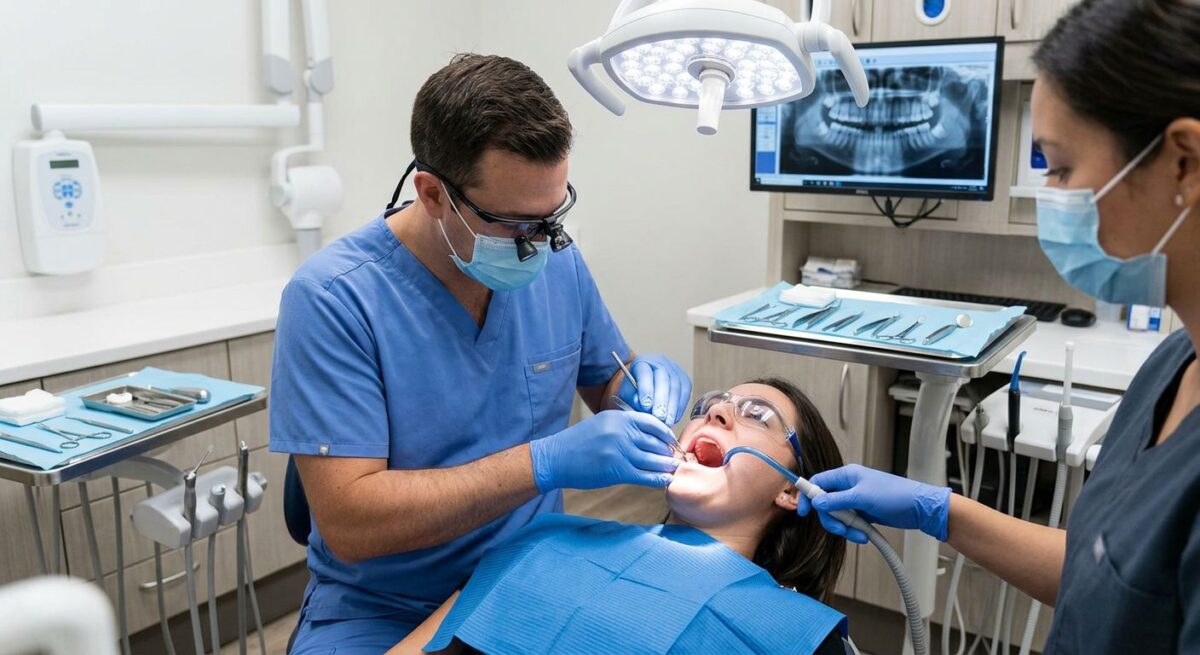
Wisdom teeth—also known as third molars—are one of the most common reasons people visit the dentist unexpectedly. For some, wisdom teeth grow in perfectly fine without causing issues. But for many others, they become painful, infected, or stuck under the gums, leading to swelling and serious discomfort.
The big question is: when is wisdom tooth removal actually necessary?
If you’ve been experiencing jaw pain, gum swelling, or pressure in the back of your mouth, your wisdom teeth could be the cause. And delaying treatment can sometimes turn a manageable issue into a dental emergency.
This blog explains the most common warning signs and situations where extraction becomes the best (and safest) solution.
What Are Wisdom Teeth?
Wisdom teeth are the last set of molars that usually erupt between the ages of 17 and 25. Most people develop four wisdom teeth—two on the top and two on the bottom—although some people have fewer, and some have none at all.
The problem is that modern jaws are often too small to comfortably fit these extra molars. As a result, wisdom teeth may not erupt properly and can create pain, crowding, or infection.
Why Wisdom Teeth Commonly Cause Problems
Wisdom teeth often cause trouble because they erupt late, when the jaw has already developed and space is limited. When there isn’t enough room, they can become:
- impacted (stuck under the gums)
- partially erupted (half in, half out)
- angled sideways, pressing into other teeth
- trapped beneath bone
This creates a perfect environment for bacteria to collect, leading to swelling and infection.
Signs Your Wisdom Tooth Might Need Extraction
Wisdom tooth discomfort can start slowly, but it usually gets worse over time. If you notice any of these symptoms, it may be time to see your dentist.
1. Persistent Pain in the Back of the Mouth
Pain near the back molars is one of the most common signs. It may feel like pressure, throbbing, or soreness that comes and goes.
2. Swollen or Bleeding Gums
Inflammation around the wisdom tooth area is often a sign that bacteria are trapped under the gum tissue.
3. Jaw Stiffness or Difficulty Opening the Mouth
If you feel tightness while chewing or opening your mouth, it may be due to infection or pressure caused by impacted teeth.
4. Bad Breath or Bad Taste
Partially erupted wisdom teeth can trap food, causing bacteria buildup and leading to persistent bad breath.
5. Swelling in the Face or Cheek
Facial swelling is often a sign of infection and should be treated urgently.
6. Frequent Headaches or Ear Pain
Wisdom tooth pain can radiate to the jaw joint, ears, and even the temples, creating referred pain that feels like headaches.
When Wisdom Tooth Extraction Becomes Necessary
Not every wisdom tooth needs to be removed. But extraction is strongly recommended in several cases.
1. Impacted Wisdom Teeth
If the tooth is stuck under the gum or bone and cannot erupt normally, it can cause pain and pressure on nearby teeth. Impacted teeth also increase the risk of cysts and infections.
Extraction is often necessary to prevent future complications.
2. Infection (Pericoronitis)
When a wisdom tooth is partially erupted, a flap of gum tissue may cover part of it. Food and bacteria get trapped underneath, leading to infection called pericoronitis.
Symptoms may include:
- swollen gums
- pus discharge
- pain while swallowing
- fever
- bad breath
If infections become recurring, extraction is usually the best long-term solution.
3. Damage to Nearby Teeth
Wisdom teeth can push against the second molar next to them. Over time, this pressure can cause:
- tooth decay in the neighboring molar
- gum damage
- bone loss
- pain and sensitivity
In such cases, removing the wisdom tooth protects your healthy teeth.
4. Tooth Decay in Wisdom Teeth
Wisdom teeth are hard to clean due to their location at the back of the mouth. Even people with good oral hygiene can develop cavities there.
If a wisdom tooth is decayed and cannot be restored properly, extraction is often recommended.
5. Crowding and Orthodontic Concerns
In some patients, wisdom teeth can contribute to crowding or affect orthodontic results after braces or aligners.
While not always the main cause of crowding, dentists may recommend removal to protect the alignment of your teeth—especially if orthodontic treatment was recently completed.
6. Cysts or Jawbone Damage
In rare cases, impacted wisdom teeth can form cysts around them. These cysts can damage jawbone and nearby tooth roots.
This is a serious condition and typically requires surgical extraction.
Is It Better to Remove Wisdom Teeth Early?
In many cases, yes.
Wisdom teeth are often easier to remove in younger patients because:
- roots are not fully developed
- bone is softer
- healing is faster
- risk of complications is lower
That’s why many dentists recommend wisdom tooth evaluation in the late teens or early twenties.
However, adults can still have wisdom teeth removed safely—it may just require a more detailed surgical approach depending on the tooth position.
What Happens If You Delay Wisdom Tooth Removal?
Delaying extraction can lead to:
- severe infection
- swelling and abscess formation
- damage to nearby teeth
- worsening pain
- gum disease in the area
- increased difficulty during removal later
If your wisdom tooth is already showing symptoms, it’s best not to wait until it becomes an emergency.
What to Expect During Wisdom Tooth Extraction
Wisdom tooth extraction is a common procedure performed under local anesthesia, sedation, or general anesthesia depending on complexity.
The dentist will:
- examine X-rays
- numb the area
- remove the tooth (sometimes in sections if impacted)
- provide post-op instructions
Most patients recover within a few days, with complete healing over the next few weeks.
Recovery Tips After Wisdom Tooth Removal
To heal faster, follow these basic tips:
- apply ice packs for swelling
- avoid smoking or using straws
- eat soft foods for the first few days
- take prescribed medications as directed
- maintain gentle oral hygiene
- avoid hard or spicy foods
Following your dentist’s instructions helps prevent complications like dry socket.
Don’t Ignore Wisdom Tooth Warning Signs
Wisdom teeth problems rarely improve on their own. If you’re experiencing pain, swelling, infection, or pressure, extraction may be the safest solution to protect your overall oral health.
The sooner the issue is diagnosed, the easier it is to treat—and the smoother the recovery.
Schedule a Wisdom Tooth Consultation Today
If you’re feeling discomfort in the back of your mouth or suspect your wisdom teeth are coming in, our dental team can help. We’ll evaluate your X-rays and recommend the right treatment plan.
Book your appointment today and prevent wisdom tooth problems before they become a dental emergency.