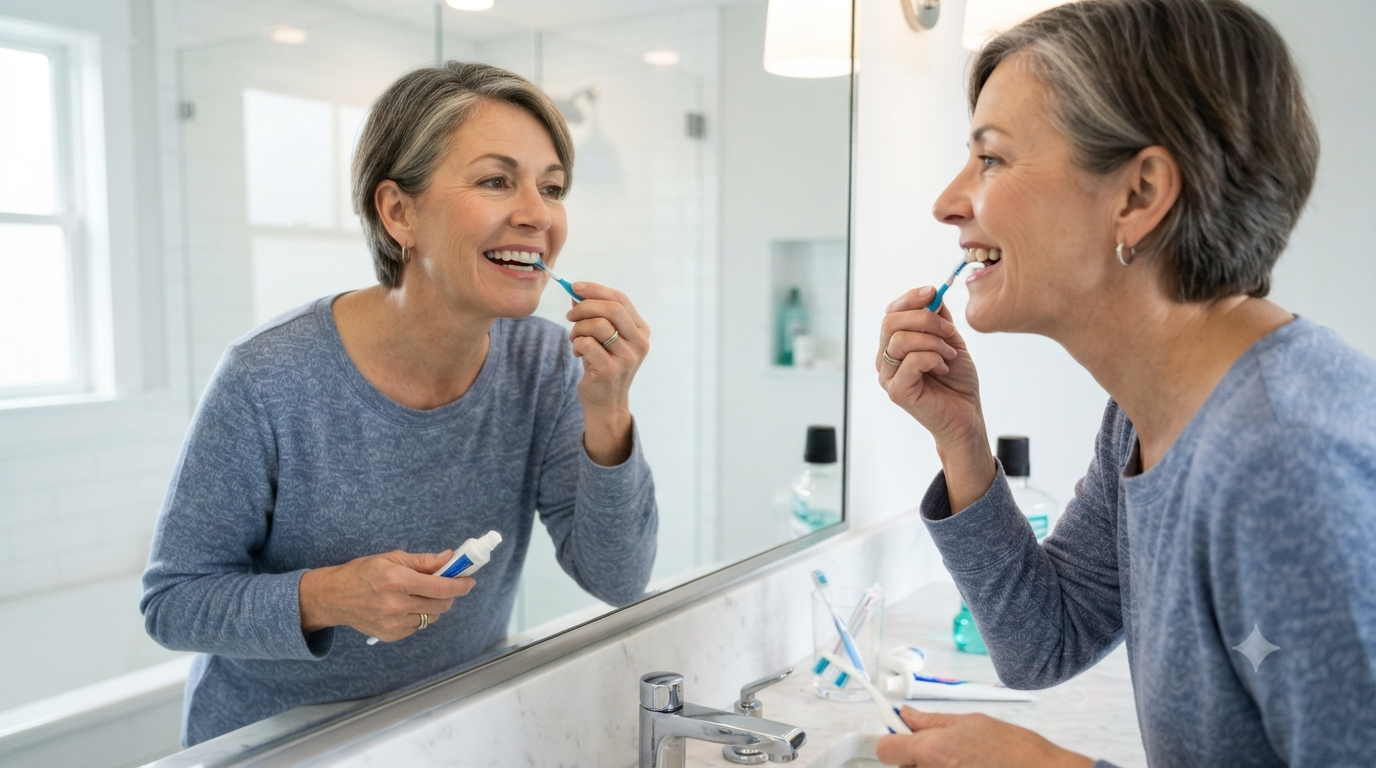
Have you ever looked closely at your smile and noticed that your teeth appear more translucent than they used to? You may especially notice this around the edges of your front teeth, where they can sometimes look slightly glass-like or transparent. This change can be a normal part of aging, but it can also be associated with enamel wear, acid erosion, teeth grinding, or other factors that affect tooth structure.
Teeth naturally change throughout life. Understanding why increased transparency happens can help you recognize what is normal, identify potential concerns early, and take steps to protect your enamel and maintain a healthy smile.
What Makes Teeth Look Transparent?
To understand why teeth can become more transparent, it helps to understand their basic structure.
Each tooth consists of several layers. Enamel is the hard, protective outer layer. It is naturally translucent, allowing some light to pass through it. Beneath the enamel is dentin, a denser, naturally yellowish layer that makes up much of the tooth’s structure. At the center is the pulp, which contains nerves and blood vessels.
When enamel is thick and healthy, it helps protect the underlying dentin while giving the tooth its characteristic appearance. However, as enamel becomes thinner, light can pass through the tooth more easily. This can make the tooth look increasingly translucent, particularly near the biting edges.
Some translucency is completely normal. In fact, slightly transparent edges are common even in healthy teeth. The concern is when transparency becomes more noticeable over time or occurs along with other changes such as sensitivity, chipping, or visible wear.
How Does Aging Affect Tooth Enamel?
Aging itself does not automatically cause enamel to disappear, but teeth experience years of exposure to everyday forces. Over time, this can contribute to gradual enamel wear.
Everyday activities such as chewing, biting, and contact between opposing teeth place repeated stress on the enamel. While these forces may not cause obvious damage immediately, their cumulative effect over many years can alter the shape and thickness of the tooth surface.
As enamel gradually becomes thinner, the underlying dentin may become more visible. The edges of the teeth can also become more translucent because these areas naturally have less dentin underneath them.
This is one reason older adults may notice that their front teeth look different compared with earlier years.
Acid Erosion Can Make Teeth More Transparent
Age is only one factor. Acid erosion can also contribute to enamel thinning and increased tooth transparency.
Acidic foods and drinks can temporarily soften the enamel surface. Frequent exposure may gradually wear away the enamel, particularly if acidic products are consumed throughout the day.
Common sources of dietary acids include:
- Soft drinks and carbonated beverages
- Sports and energy drinks
- Citrus fruits and juices
- Vinegar-based foods
- Certain acidic snacks and beverages
Stomach acid can also affect enamel. Conditions involving frequent acid reflux or vomiting may expose teeth to stomach acid, which is highly erosive.
As enamel becomes thinner due to repeated acid exposure, teeth may begin to appear more translucent and may become more sensitive to hot, cold, sweet, or acidic foods.
Teeth Grinding May Increase Enamel Wear
Another important factor is bruxism, commonly known as teeth grinding or clenching.
Some people grind their teeth during sleep without realizing it. Others may clench their teeth during the day, particularly during periods of stress or concentration. Repeated pressure and friction can gradually wear down the tooth surface.
Over time, grinding may cause the biting edges of teeth to become flatter, shorter, or more transparent. In more advanced cases, enamel loss may contribute to increased sensitivity or changes in the way the teeth come together.
Signs that may suggest teeth grinding include morning jaw soreness, frequent headaches, tooth sensitivity, flattened tooth surfaces, or small chips along the edges of teeth.
If you notice these symptoms, a dental examination can help determine whether bruxism is contributing to enamel wear.
Why Are the Front Teeth Often More Transparent?
The transparent appearance is often most noticeable along the edges of the front teeth. This is partly because these areas naturally have a thinner layer of dentin beneath the enamel.
The way light interacts with enamel can make these edges appear slightly translucent even when the teeth are healthy. As enamel becomes thinner, however, the effect may become more noticeable.
It is important to remember that transparent edges do not automatically mean that your teeth are unhealthy. The appearance should be considered alongside other signs, including tooth sensitivity, changes in shape, cracks, chips, discoloration, or visible enamel loss.
A dentist can determine whether the transparency is simply a natural characteristic of your teeth or whether it may be associated with enamel erosion or wear.
Can You Prevent Teeth From Becoming More Transparent?
You cannot completely prevent the natural changes that occur in teeth over time, but you can reduce factors that contribute to unnecessary enamel loss.
Start with a consistent oral hygiene routine. Brush your teeth twice a day using a soft-bristled toothbrush and fluoride toothpaste. Avoid aggressive brushing or applying excessive pressure, as this can contribute to enamel and gum damage.
Flossing daily is also important because it helps remove plaque and food particles from areas a toothbrush cannot reach.
Pay attention to your diet as well. Try to limit frequent consumption of acidic beverages and foods. If you drink something acidic, rinsing your mouth with water afterward can help clear away acids. Avoid brushing immediately after consuming acidic foods or drinks because the enamel may be temporarily softened.
If you grind or clench your teeth, talk to your dentist. Depending on your situation, a custom-fitted nightguard may help protect your teeth from excessive grinding forces while you sleep.
When Should You See a Dentist?
A gradual increase in tooth transparency does not always require treatment, but sudden or significant changes deserve professional attention.
Make an appointment with your dentist if you notice:
- Increasing tooth sensitivity
- Thinning or transparent tooth edges
- Chips or cracks
- Flattened or shortened teeth
- Changes in tooth shape
- Pain when eating or drinking
- Signs of frequent teeth grinding
- Visible enamel wear or erosion
During a dental examination, your dentist can evaluate your enamel, look for signs of erosion or mechanical wear, and assess your overall oral health. Identifying the cause early can help prevent additional enamel loss.
Treatment depends on what is causing the transparency and how much tooth structure has been affected. Your dentist may recommend preventive measures, fluoride treatments, sensitivity management, dietary changes, a nightguard, or restorative options when appropriate.
Protect Your Smile as You Age
Your teeth naturally change as you get older, and some degree of translucency can be completely normal. However, protecting your enamel throughout life can help minimize unnecessary wear and preserve the strength and appearance of your smile.
Good oral hygiene, regular dental visits, a balanced diet, proper brushing habits, and early attention to grinding or acid erosion can all contribute to healthier teeth over time.
If you have noticed that your teeth are becoming more transparent, sensitive, or worn, schedule your visit with FLOMO Dental today and book your consultation. A professional evaluation can help you understand what is causing the change and determine the best way to protect your smile for years to come.