Thyroid disorders can affect much more than metabolism, energy levels and body weight. They can also influence oral health in ways that are sometimes overlooked.
The thyroid gland produces hormones that regulate several important functions in the body, including growth, metabolism and tissue development. When hormone levels become too high or too low, these changes can affect the mouth, teeth, gums and even the jaw.
People living with hypothyroidism or hyperthyroidism may experience symptoms such as dry mouth, changes in taste, gum inflammation and increased dental sensitivity.
Understanding this connection can help identify potential oral health concerns early and ensure that dental care is planned appropriately.
What Is the Connection Between the Thyroid and Oral Health?
The thyroid gland produces hormones called T3 (triiodothyronine) and T4 (thyroxine). These hormones influence how cells grow, develop and function throughout the body.
When thyroid hormone levels are not properly regulated, the effects may extend to oral tissues.
Both hypothyroidism, where the thyroid produces insufficient hormones, and hyperthyroidism, where it produces excessive hormones, can have different oral health implications.
How Does Hypothyroidism Affect Dental Health?
Hypothyroidism can slow down several bodily processes, including tissue repair and development. Some people may notice changes in their oral health as well.
1. Dry Mouth
People with hypothyroidism may experience reduced saliva production or a persistent feeling of dryness in the mouth.
Saliva helps protect teeth by washing away food particles, neutralising acids and controlling harmful bacteria.
When the mouth becomes dry, the risk of cavities, bad breath and gum irritation may increase.
2. Changes in Taste
Some individuals with hypothyroidism report changes in their sense of taste.
Food may taste different, or there may be an unusual or unpleasant taste in the mouth. These changes can sometimes be associated with dry mouth or other underlying factors.
3. Delayed Tooth Development in Children
Thyroid hormones play an important role in the development of teeth and facial structures.
In children, untreated hypothyroidism may delay tooth eruption and affect dental development. This makes early diagnosis and appropriate treatment particularly important during childhood.
4. Enlarged Tongue
In some cases, hypothyroidism may be associated with an enlarged tongue, a condition known as macroglossia.
This can sometimes cause difficulty with speaking, swallowing or maintaining proper oral hygiene.
How Does Hyperthyroidism Affect Dental Health?
Hyperthyroidism increases the body’s metabolic activity and can influence several oral structures.
Here are some potential dental effects:
1. Increased Risk of Gum Problems
Changes in the body’s inflammatory response and bone metabolism may influence gum and periodontal health.
Some people with hyperthyroidism may experience gum inflammation or other periodontal concerns, particularly when additional risk factors are present.
2. Changes in Bone Density
Excess thyroid hormone can accelerate bone turnover. When hyperthyroidism remains uncontrolled, it may contribute to reduced bone density.
Since the jawbone supports the teeth, changes in bone health can have implications for the structures that keep teeth stable.
3. Faster Tooth Eruption in Children
Excess thyroid hormone can sometimes accelerate dental development and tooth eruption in children.
This may result in teeth appearing earlier than expected compared with typical developmental patterns.
4. Increased Sensitivity and Oral Discomfort
Some individuals with thyroid disorders experience changes in oral tissues, taste or saliva production.
These symptoms may contribute to discomfort while eating or drinking. However, persistent sensitivity should not automatically be attributed to a thyroid condition, as cavities, enamel erosion and gum recession can cause similar symptoms.
Can Thyroid Medications Affect Oral Health?
Yes. Certain medications used to manage thyroid disorders may cause oral side effects.
For example, radioactive iodine treatment and some medications used to manage thyroid conditions can be associated with changes in saliva production or taste.
Reduced saliva can increase the risk of cavities and oral infections.
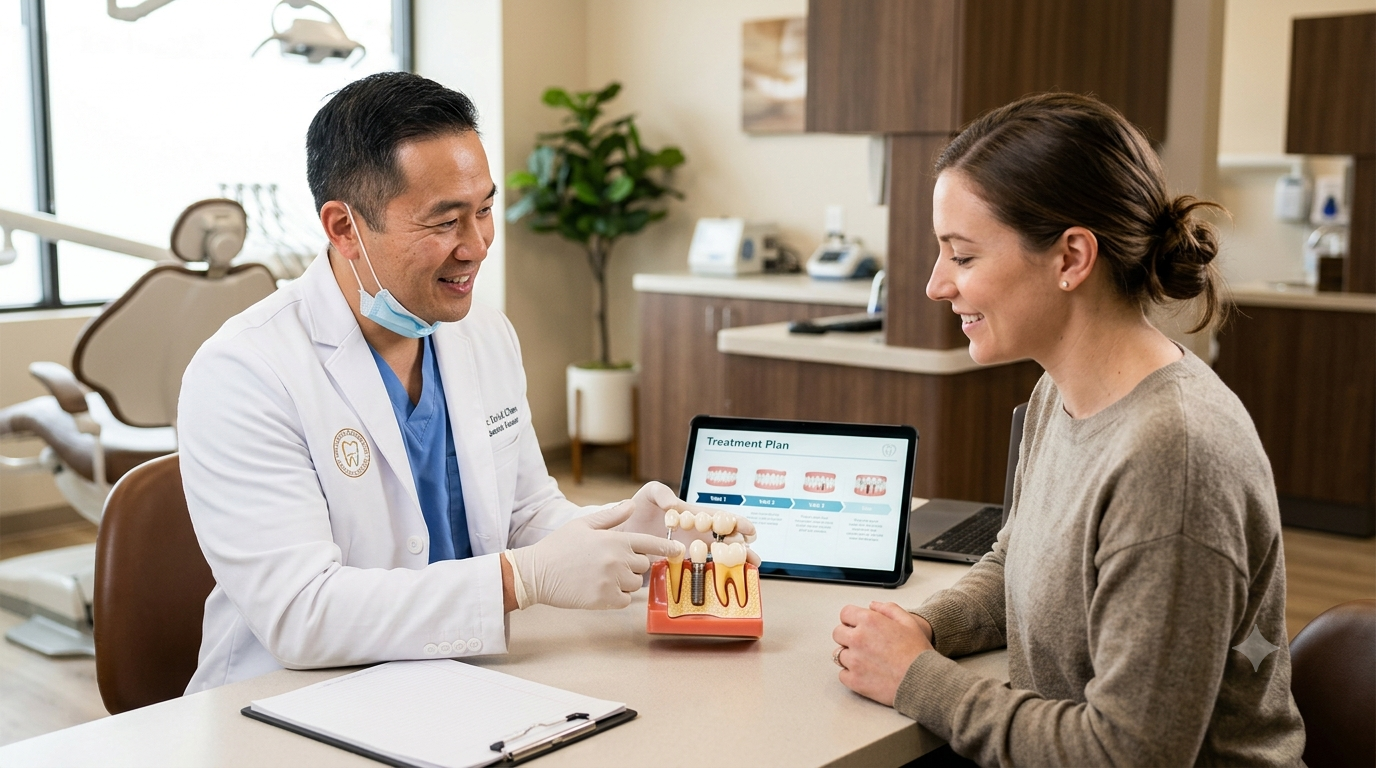
It is important to inform your dentist about all thyroid medications, recent treatment changes and any symptoms you experience. This helps the dental team plan appropriate care and identify potential medication-related concerns.
Never stop or change thyroid medication without consulting your treating doctor.
6 Practical Tips to Maintain Oral Health With Thyroid Disorders
Managing thyroid health and maintaining good oral hygiene should go hand in hand.
Here are some simple habits that can help:
- Brush Twice Daily: Use a soft-bristled toothbrush and fluoride toothpaste to remove plaque and protect enamel.
- Floss Every Day: Clean between your teeth to remove food particles and plaque that brushing may miss.
- Stay Hydrated: Drink water regularly, especially if you experience dry mouth. Ask your dentist about saliva substitutes if dryness persists.
- Maintain a Balanced Diet: Include nutrient-rich foods that support healthy teeth, gums and bones.
- Monitor Oral Changes: Pay attention to persistent dry mouth, changes in taste, gum swelling or unusual tongue changes.
- Schedule Regular Dental Checkups: Routine examinations can help identify early signs of cavities, gum disease and other oral health concerns.
What Should You Tell Your Dentist Before Treatment?
If you have a thyroid disorder, make sure your dentist knows about your diagnosis and current treatment.
Share details about:
- Whether you have hypothyroidism or hyperthyroidism.
- The medications you currently take.
- Any recent changes in thyroid treatment.
- Symptoms such as dry mouth, swelling or changes in taste.
- Any other relevant medical conditions.
This information is particularly important before dental procedures, as uncontrolled thyroid conditions may require additional precautions or coordination with your treating doctor.
When Should You Visit a Dentist?
If you experience persistent dry mouth, unusual changes in your tongue, gum inflammation, increased tooth sensitivity or difficulty maintaining oral hygiene, schedule a dental evaluation.
These symptoms may have several causes, and a dental examination can help determine whether they are related to your thyroid condition or another oral health issue.
People with thyroid disorders should also maintain regular dental visits, even when no obvious symptoms are present.
Take Care of Your Oral Health Alongside Your Thyroid Health
Thyroid disorders can influence different aspects of oral health, from saliva production and taste to tooth development and jawbone health.
Although not everyone with a thyroid condition experiences dental complications, understanding the possible effects can help with early detection and prevention.
Your oral health is an important part of your overall health. By managing thyroid levels, maintaining consistent dental hygiene and scheduling regular dental checkups, you can take proactive steps towards keeping your teeth and gums healthy.