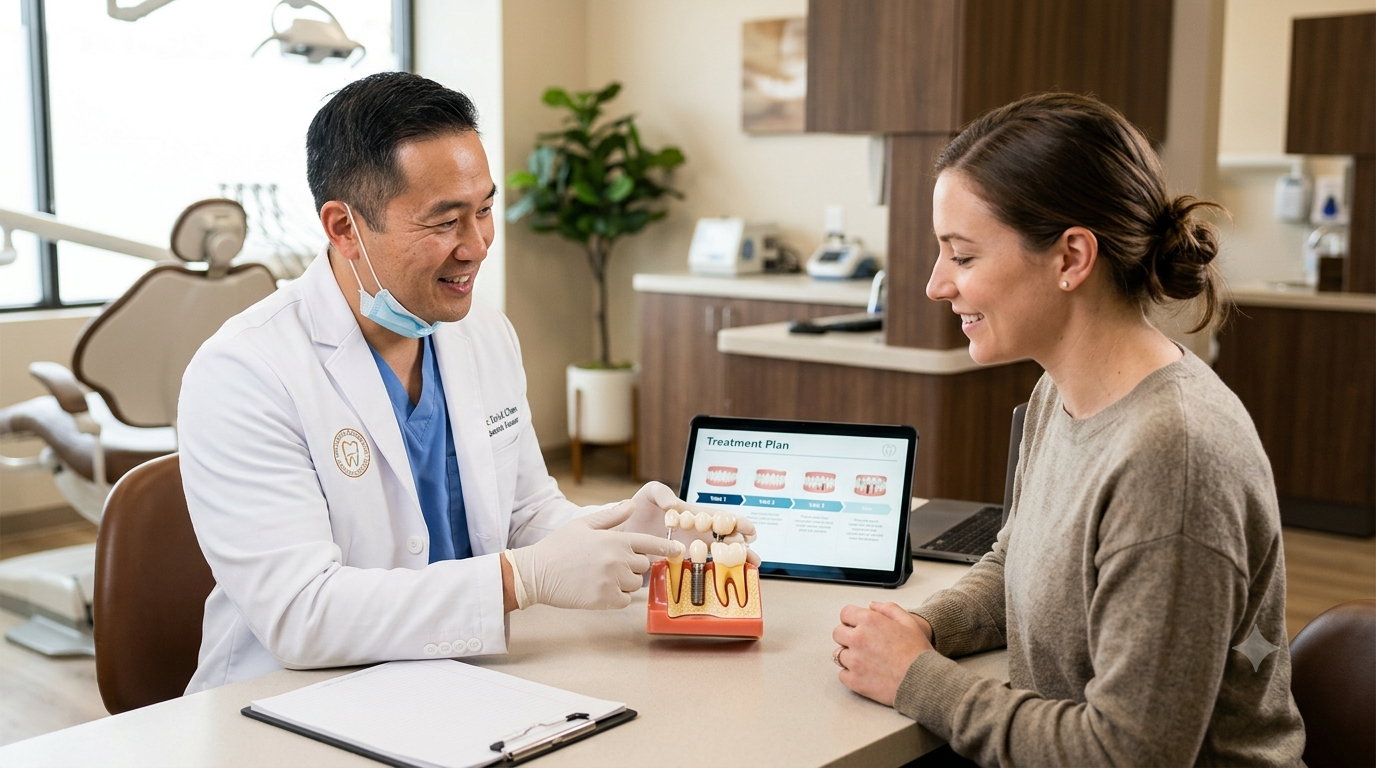
Tooth extraction is a common dental procedure, but for many people, the thought of having a tooth removed can cause anxiety or fear. Fortunately, modern dentistry offers several sedation options that can help alleviate discomfort and anxiety during the procedure, allowing patients to undergo the treatment with minimal stress. The right sedation option for you depends on your anxiety level, pain tolerance, and the complexity of the extraction. Here’s a breakdown of the most common sedation options to help you choose the best one for your needs.
- Local Anesthesia: The Basics
Local anesthesia is the most basic and widely used form of sedation for tooth extraction. It involves the injection of a numbing agent directly into the area around the tooth being removed. The numbing agent blocks pain sensations, so while you may feel pressure, you won’t experience any pain during the extraction.
Best for: Patients with mild anxiety who are comfortable with the procedure but still want to ensure they don’t feel any pain. It’s also ideal for simple extractions, such as the removal of a single tooth.
What to Expect: You’ll be fully awake and alert during the procedure but will not feel pain. The numbing effect can last for several hours after the procedure, so you won’t experience discomfort right away after the extraction.
Pros:
- Non-invasive and straightforward
- Keeps you awake and aware, so you can follow instructions during the procedure
- Minimal recovery time
Cons:
- You may still feel some pressure or discomfort
- Anxiety can still be a factor if you’re nervous about the procedure
- Nitrous Oxide (Laughing Gas): A Relaxing Experience
Nitrous oxide, commonly known as laughing gas, is a mild sedative that helps to relax patients and reduce anxiety. The gas is inhaled through a mask placed over the nose, and it takes effect quickly, calming your nerves and making you feel more relaxed and at ease.
Best for: Patients who have mild to moderate anxiety. If you’re nervous about the procedure but want to remain awake and alert, nitrous oxide is a great option. It is particularly useful for patients undergoing simple extractions.
What to Expect: You’ll be awake throughout the procedure but will feel deeply relaxed. Many patients report feeling euphoric or light-headed, which helps to take the edge off the anxiety. Once the gas is turned off, the effects wear off quickly, and you’ll be able to leave the office shortly after the procedure.
Pros:
- Fast-acting and wears off quickly after the procedure
- You can drive yourself home afterward since it doesn’t have lingering effects
- Helps reduce anxiety and discomfort without putting you to sleep
Cons:
- Does not eliminate pain completely; you may still need local anesthesia
- Not suitable for everyone (e.g., patients with respiratory issues)
- Oral Sedation: Mild to Moderate Sedation
Oral sedation involves taking a pill or liquid medication prior to your procedure. The medication helps you relax and feel drowsy, making the extraction experience more comfortable. Depending on the dosage, oral sedation can range from mild to moderate, meaning you may feel extremely relaxed but still be awake and able to respond to the dentist’s instructions.
Best for: Patients with moderate anxiety or those who are nervous about a more involved or lengthy extraction. This can be a good option if you’re having a more complex extraction or multiple teeth removed, such as wisdom teeth.
What to Expect: You’ll take the sedative before the appointment, and by the time the extraction begins, you’ll feel relaxed and possibly a little sleepy. While you’ll remain conscious, you may not remember much of the procedure afterward. Oral sedation typically wears off in a few hours, so you may need someone to drive you home.
Pros:
- Helps patients feel calm and relaxed
- Effective for more anxious patients or those undergoing more complex procedures
- Minimal recovery time, though you may feel drowsy afterward
Cons:
- You’ll need someone to drive you home afterward
- Some patients may experience grogginess or dizziness for a few hours after the procedure
- IV Sedation: Deep Relaxation with Controlled Sedation
IV sedation (intravenous sedation) delivers sedatives directly into your bloodstream, providing deeper sedation than oral sedation. It allows your dentist to control the level of sedation throughout the procedure. You will remain conscious but deeply relaxed and may have little to no memory of the procedure afterward.
Best for: Patients with severe anxiety or those undergoing more complicated extractions, such as the removal of multiple teeth or impacted wisdom teeth. IV sedation is ideal for patients who need to be completely relaxed or those who have difficulty staying still during the procedure.
What to Expect: The sedative will be administered through an IV in your arm or hand, and you’ll begin to feel relaxed almost immediately. While you may still be awake, you won’t be aware of much of the procedure, and many patients forget the entire experience. The effects of IV sedation can last for a few hours, so you’ll need someone to drive you home after the procedure.
Pros:
- Provides a deeper level of sedation, making it ideal for anxious patients or complicated extractions
- You may not remember the procedure, reducing anxiety or discomfort
- Highly effective and allows the dentist to control the sedation level
Cons:
- Requires more preparation and may involve a longer recovery time
- You’ll need someone to drive you home afterward
- Not suitable for patients with certain health conditions (e.g., heart issues)
- General Anesthesia: Total Sleep for Major Procedures
General anesthesia is the deepest form of sedation, causing you to be completely unconscious during the procedure. It is typically reserved for extensive dental surgeries, such as the removal of multiple teeth, impacted teeth, or other major oral surgeries.
Best for: Patients undergoing complex dental procedures or those with extreme anxiety who cannot tolerate any level of consciousness during the procedure.
What to Expect: The anesthesiologist will administer the anesthesia, and you will fall into a deep sleep. You won’t be aware of anything happening during the procedure. Afterward, you’ll wake up in a recovery area, and someone will need to accompany you home.
Pros:
- Completely eliminates awareness of the procedure, making it ideal for those with severe anxiety
- Necessary for major dental surgeries
Cons:
- Involves more risk and preparation than other options
- You’ll need someone to drive you home and may feel groggy for several hours after the procedure
Choosing the Right Sedation Option
The best sedation option for your tooth extraction depends on several factors, including your anxiety level, the complexity of the procedure, and your overall health. It’s important to discuss your options with your dentist, who will help you choose the right type of sedation based on your individual needs.
For those with mild anxiety, local anesthesia or nitrous oxide may be sufficient, while patients with more severe anxiety or undergoing more complicated extractions may benefit from oral sedation, IV sedation, or general anesthesia. No matter which option you choose, sedation ensures that your tooth extraction is as comfortable and stress-free as possible, helping you to get the care you need without the fear.
If you’re feeling nervous about an upcoming tooth extraction, talk to your dentist about your sedation options and find the right solution to ease your anxiety and ensure a smooth, comfortable procedure.