Finishing orthodontic treatment feels like a big milestone — your teeth are finally straight, and the braces or aligners come off. But the journey doesn’t end there. That’s where retainers come in, quietly doing the important job of keeping your teeth in place.
So what really happens if you skip wearing your retainer for just two weeks? The answer depends on your teeth, but changes can begin faster than most people expect.
Why Retainers Are So Important
After orthodontic treatment, your teeth are not fully “set” in their new positions. The surrounding bone and ligaments need time to stabilize. Retainers hold your teeth in place during this healing phase and prevent them from drifting back to their original positions — a process called relapse.
Even long after treatment, teeth naturally shift slightly over time due to chewing forces, aging, and muscle pressure. That’s why retainers are often recommended long-term.
What Can Happen in Just 2 Weeks?
Skipping your retainer for a short period like two weeks may not cause dramatic changes for everyone, but subtle shifts can begin — and sometimes they’re noticeable.
- Slight Teeth Movement Begins
Teeth are not fixed rigidly in bone; they are held by soft ligaments that allow tiny movements. Without a retainer holding them in place, these ligaments can start pulling teeth back toward their previous positions.
You may notice:
- Minor crowding returning in the front teeth
- Small gaps reappearing
- Slight rotation of teeth
These changes are often subtle at first but can progress quickly if retention is not resumed.
- Retainer Feels Tight When You Put It Back
One of the most common signs is discomfort when you try wearing your retainer again.
If your teeth have shifted even slightly, the retainer may feel:
- Tight or difficult to fit
- Pressuring certain teeth more than others
- Slightly uncomfortable or sore initially
This is your clear signal that movement has already started.
- Bite May Feel Slightly “Off”
Even small shifts in teeth alignment can affect how your upper and lower teeth come together. You might notice:
- Uneven contact when biting
- Mild discomfort while chewing
- A feeling that your bite isn’t as smooth as before
These changes can happen before visible shifting becomes obvious.
- Increased Risk of Long-Term Relapse
Two weeks alone usually won’t undo orthodontic treatment completely, but it can set the stage for more noticeable relapse if the retainer is not worn again consistently.
Teeth have a “memory” and tend to drift back toward their original position, especially in the first year after braces or aligners.
Why Teeth Shift So Quickly
The reason teeth can move so fast is due to the periodontal ligament — the soft tissue that connects teeth to the bone. After orthodontic treatment, this ligament takes time to reorganize and stabilize.
During this period, even short breaks in retainer use can allow teeth to start shifting back.
What Should You Do If You’ve Skipped It?
If you’ve missed wearing your retainer for two weeks:
- Try wearing it again immediately
- If it fits comfortably, resume your regular schedule
- If it feels tight, wear it as advised and monitor discomfort
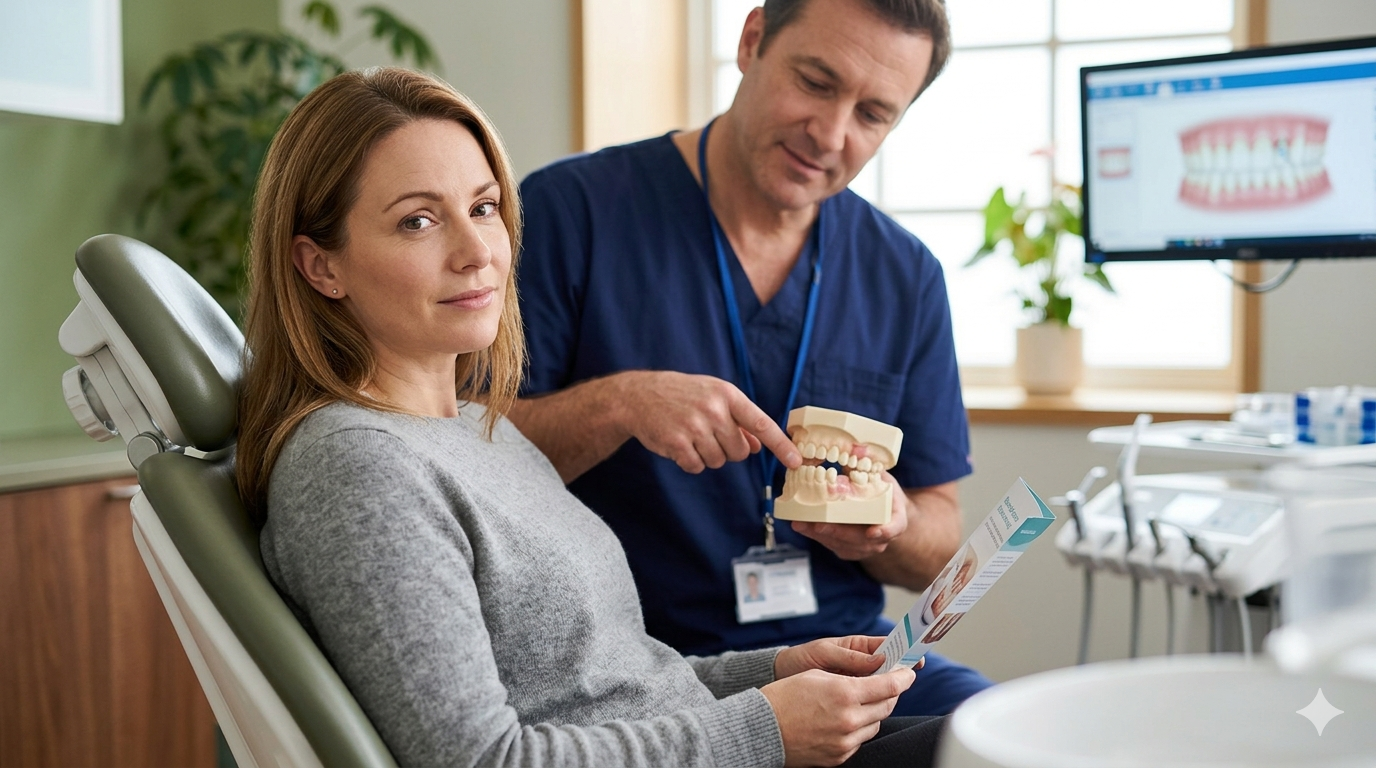
- If it doesn’t fit at all, consult your orthodontist
Do not force a retainer that clearly doesn’t fit — this can damage teeth or the appliance.
How to Prevent This in the Future
Consistency is key when it comes to retainers. A few simple habits can help:
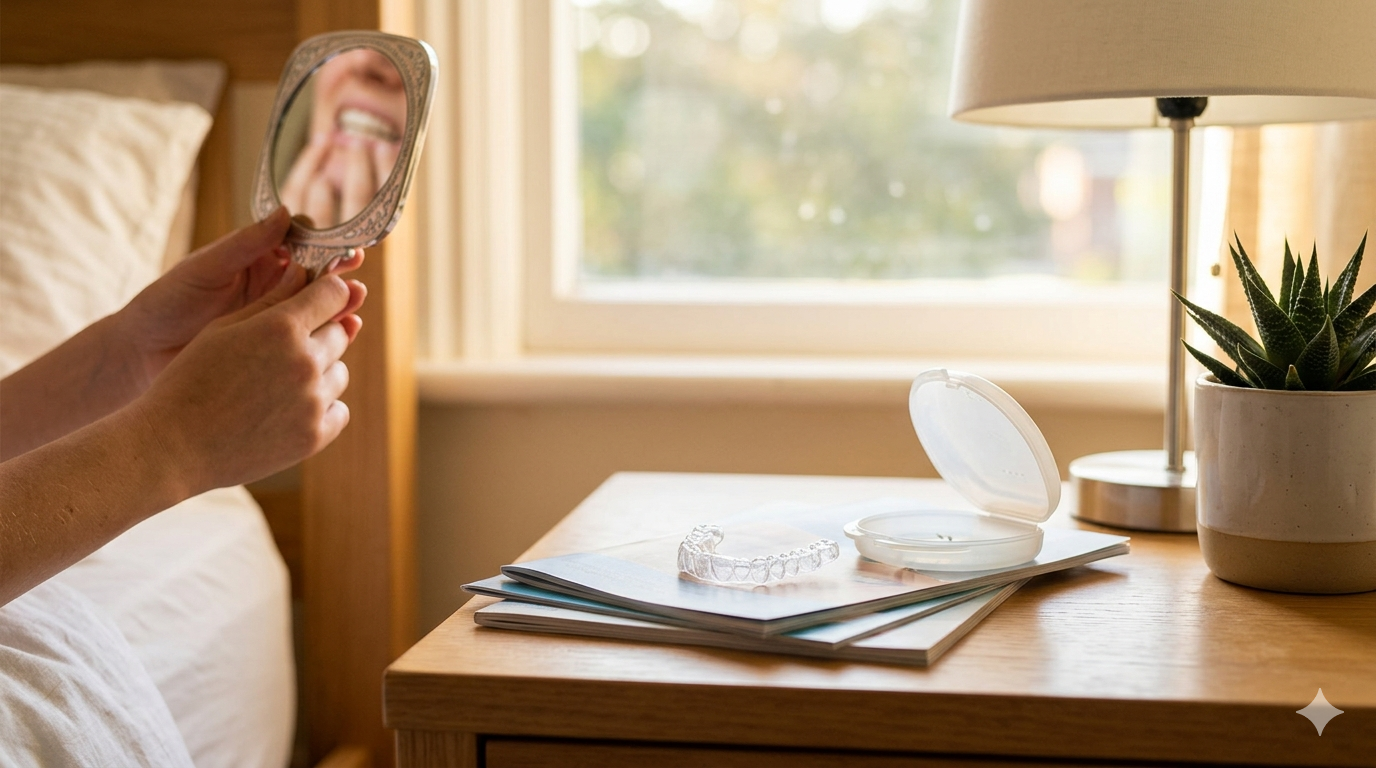
- Keep your retainer somewhere visible and easy to access
- Set daily reminders if needed
- Store it properly when not in use
- Follow your orthodontist’s wear schedule strictly
Skipping your retainer for two weeks may seem harmless, but even in this short time, your teeth can begin to shift. While changes might be minor at first, they can quickly become more noticeable if retention is not resumed.
The good news is that early shifts are often reversible — but only if you act quickly and resume proper retainer use.
Your braces or aligners created the smile. Your retainer is what keeps it.