Dental veneers have become a popular choice for people looking to enhance their smiles, but are they worth the investment? If you’re considering veneers, it’s crucial to understand what they offer and whether they’re the right solution for you. In this comprehensive guide, we’ll explore the benefits, costs, and factors to consider before making a decision about dental veneers.
What Are Dental Veneers?
Dental veneers are thin, custom-made shells designed to cover the front surface of your teeth. They are typically made from porcelain or composite resin and are bonded to your teeth to improve their appearance. Veneers can address various cosmetic issues, including discoloration, chips, gaps, and misalignment.
Benefits of Dental Veneers
- Enhanced Aesthetics: Veneers can dramatically improve the appearance of your teeth, giving you a whiter, more uniform smile. They are designed to mimic the natural translucency and texture of teeth, making them look incredibly realistic.
- Durability: High-quality veneers, particularly porcelain ones, are durable and can last between 10 to 15 years with proper care. They are resistant to staining and can withstand everyday wear and tear.
- Minimally Invasive: Compared to other cosmetic dental procedures, applying veneers is relatively non-invasive. Only a small amount of tooth enamel needs to be removed to accommodate the veneers.
- Quick Results: The process of getting veneers is usually completed within a few visits to your dentist. The results are immediate, giving you a beautiful smile in a short amount of time.
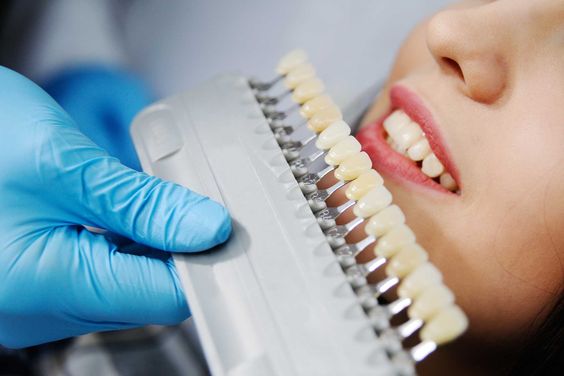
- Customizable: Veneers can be customized to match the shape, size, and color of your natural teeth, ensuring a personalized fit that complements your smile.
Factors to Consider
Before investing in dental veneers, consider the following factors:
Cost
Dental veneers can be a significant investment. The cost varies depending on the type of veneers (porcelain or composite), the number of veneers required, and your location. On average, porcelain veneers cost between $800 and $2,500 per tooth, while composite veneers are generally less expensive, ranging from $250 to $1,500 per tooth. It’s essential to evaluate your budget and explore financing options if necessary.
Longevity and Maintenance
While veneers are durable, they are not permanent. Over time, they may need to be replaced or repaired due to wear and tear. Proper maintenance is crucial to extending their lifespan. This includes regular brushing, flossing, and routine dental check-ups. Avoiding habits such as grinding your teeth or biting hard objects can also help preserve your veneers.
Suitability
Not everyone is a candidate for dental veneers. Your dentist will assess your oral health to determine if veneers are appropriate for you. Factors such as the condition of your teeth, existing dental issues, and your overall oral hygiene will influence your suitability for veneers.
Irreversibility
The process of getting veneers is irreversible. Once your teeth are prepared for veneers, you cannot go back to their original state. It’s important to be confident in your decision and discuss any concerns with your dentist before proceeding.
Potential Risks
While veneers are generally safe, there are potential risks to consider. These include:
- Sensitivity: Some people experience increased tooth sensitivity after getting veneers. This is usually temporary but should be monitored by your dentist.
- Bonding Issues: Occasionally, veneers may not bond properly to the tooth, which can lead to potential complications.
- Chipping or Cracking: Although veneers are durable, they can chip or crack if subjected to excessive force.
The Decision-Making Process
When deciding whether dental veneers are worth the investment, weigh the benefits against the costs and potential risks. Consider how much the aesthetic improvements mean to you and how they align with your overall dental goals.
Consultation with Your Dentist
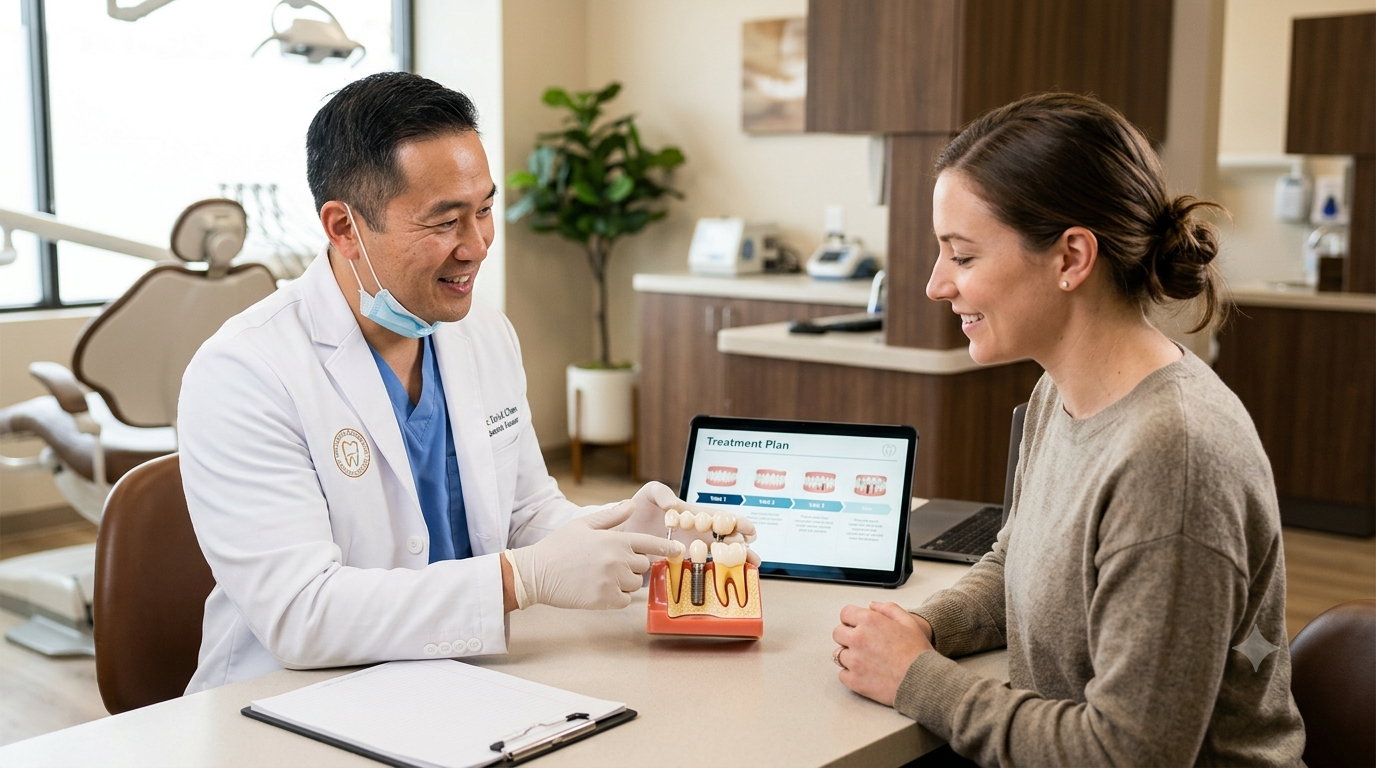
Before making a final decision, schedule a consultation with your dentist. They will provide a thorough evaluation of your oral health, discuss your goals, and recommend the best course of action. Your dentist can also provide information about alternative treatments if veneers are not the most suitable option for you.
Personal Considerations
Reflect on your personal needs and preferences. Are you seeking a significant cosmetic change, or are you looking for a more conservative approach? Consider how veneers fit into your long-term dental care plan and how they will impact your daily life.
Conclusion
Dental veneers offer a valuable option for those looking to enhance their smiles with a minimally invasive procedure. They provide numerous benefits, including improved aesthetics, durability, and customization. However, it’s important to consider the costs, maintenance, and potential risks before making an investment. By consulting with your dentist and evaluating your personal needs, you can make an informed decision about whether dental veneers are the right choice for you.