Is a Root Canal Painful? Debunking the Common Fears

Root canal treatments are among the most misunderstood dental procedures, often associated with pain and discomfort. However, much of this fear is based on outdated perceptions. If you’re wondering, “Is a root canal painful?” it’s time to debunk the myths and separate fact from fiction. In this article, we will explore everything about root canals and why they are not as frightening as you might think.

Understanding Root Canals

Root canals have long been portrayed as one of the most painful dental procedures, but modern advancements in dentistry have changed this perception. The question “Is a root canal painful?” has led to many patients avoiding necessary treatment, often causing their dental issues to worsen. But is this fear justified? Today, root canal therapy is a routine and largely painless procedure designed to save infected teeth.

What is a Root Canal?

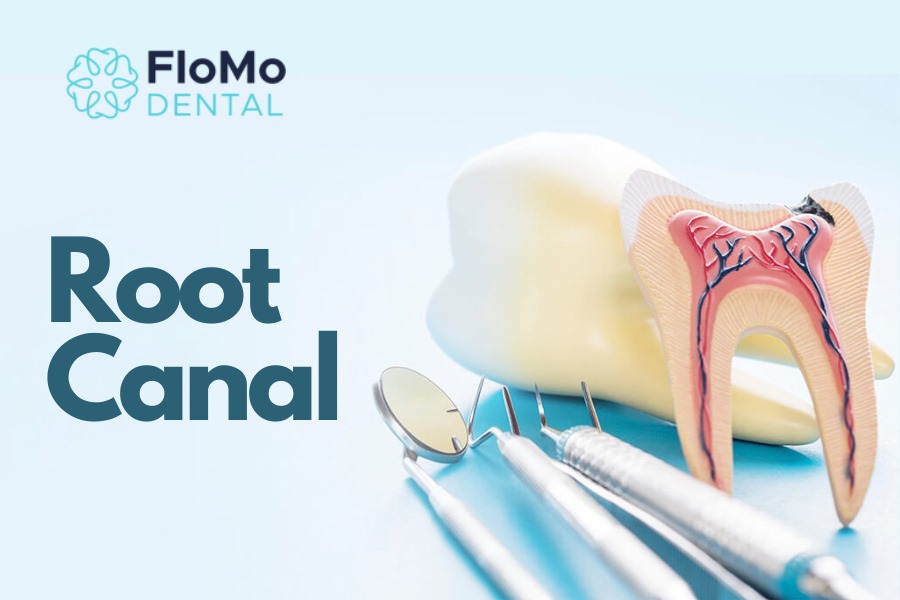
A root canal is a dental procedure that removes infected or damaged tissue from inside the tooth. This tissue, known as the pulp, contains blood vessels, nerves, and connective tissue. When the pulp becomes infected due to decay or injury, it can cause severe pain and lead to abscesses.

During a root canal, the dentist removes the infected pulp, cleans the inside of the tooth, and seals it to prevent further infection. In most cases, a crown is placed over the treated tooth to restore its function and appearance.

When is a Root Canal Necessary?

You may need a root canal if you experience:

  • Severe tooth pain, especially when chewing or applying pressure
  • Sensitivity to hot and cold that lingers
  • Darkening or discoloration of the tooth
  • Swelling or tenderness in nearby gums
  • A recurring pimple on the gums

Why Do People Think Root Canals are Painful?

Historically, root canal treatments were more invasive and uncomfortable due to limited anesthesia and outdated techniques. Stories from older generations often fuel the fear of the procedure. Today, however, dental technology has transformed root canals into relatively painless procedures.

The Role of Anesthesia

Thanks to local anesthesia, the affected area is completely numbed before the procedure begins. Patients generally report feeling little to no pain during the procedure itself. Any discomfort after the procedure can usually be managed with over-the-counter pain relievers, such as ibuprofen.


The Reality of Modern Root Canal Therapy

With advancements in dental technology, root canals are now performed more efficiently and comfortably than ever before. Dentists use precision tools to remove only the infected tissue, preserving as much of the natural tooth structure as possible. Additionally, modern anesthesia ensures that the patient feels no pain during the treatment.

What to Expect During a Root Canal

Numbing the Tooth: The dentist will apply a local anesthetic to the affected area to ensure you don’t feel any pain.

Removing the Pulp: Using specialized tools, the dentist will carefully remove the infected pulp from inside the tooth.

Cleaning the Canal: Once the pulp is removed, the inside of the tooth is cleaned and disinfected to eliminate bacteria.

Sealing the Tooth: The cleaned canal is then sealed with a rubber-like material to prevent further infection.

Crowning the Tooth: In most cases, a dental crown is placed over the tooth to restore its function and protect it from future damage.

Common Myths About Root Canals: Is a Root Canal Painful?

Myth #1: Root Canals Are Always Painful

This is perhaps the biggest myth of all. As mentioned earlier, modern root canal procedures are relatively pain-free due to the use of anesthesia and improved techniques. Most patients compare the discomfort to that of getting a standard filling.

Myth #2: Extraction is a Better Option Than a Root Canal

Some people believe it’s easier to just pull the tooth rather than undergo a root canal. However, saving your natural tooth through a root canal is almost always preferable. Keeping your natural teeth allows you to maintain proper bite alignment and avoid additional dental work, such as implants or bridges.

Myth #3: Root Canals Cause Illnesses Elsewhere in the Body

This myth has been perpetuated by misinformation. There is no scientific evidence to support the claim that root canals cause illnesses in other parts of the body. The procedure is safe and effective in treating infections within the tooth.

Myth #4: Recovery From a Root Canal is Long and Painful

While some discomfort may occur after the procedure, recovery is usually quick and relatively painless. Most patients can return to normal activities the day after their root canal, and any pain is typically managed with over-the-counter medications.

Post-Root Canal Recovery: What to Expect

After a root canal, it’s normal to experience some sensitivity and mild discomfort in the treated area. However, this is temporary and usually subsides within a few days. Here are some tips for a smooth recovery:

Tips for a Comfortable Recovery

Take Pain Relievers: Over-the-counter pain medications like ibuprofen can help reduce discomfort.

Avoid Chewing on the Affected Side: To prevent unnecessary pressure, avoid chewing on the treated tooth until it has fully healed.

Follow-Up Appointments: Be sure to attend any follow-up appointments with your dentist to ensure proper healing.

Good Oral Hygiene: Keep your teeth and gums healthy by brushing and flossing regularly.

When to Call Your Dentist?

If the pain persists for more than a few days or if you notice swelling or an abnormal bite, contact your dentist. While complications are rare, it’s important to ensure the treated tooth is healing properly.

Why You Shouldn’t Delay a Root Canal

Delaying a root canal can have serious consequences. If the infection spreads, it can lead to abscesses, bone loss, and even the loss of the tooth. Additionally, infections can spread to other parts of the body, leading to more severe health issues. It’s always better to address the problem early with a root canal rather than risk your long-term health.

How to Alleviate the Fear of a Root Canal

If the thought of a root canal still makes you anxious, there are several ways to alleviate your fear. Dentists understand that many patients are nervous about the procedure, and they offer various options to help you feel more comfortable.

Coping Strategies for Root Canal Anxiety

Talk to Your Dentist: Express your concerns to your dentist. They can walk you through the procedure and explain how they will manage your comfort.

Sedation Options: Many dental offices offer sedation options, such as nitrous oxide (laughing gas) or oral sedation, to help ease anxiety during the procedure.

Distraction Techniques: Bring headphones and listen to calming music or an audiobook to keep your mind occupied.

The question “Is a root canal painful?” is rooted in outdated myths and misconceptions. Thanks to advancements in modern dentistry, root canals are now routine, relatively painless procedures that save teeth and prevent further complications. The common fears associated with root canals no longer hold true, and delaying necessary treatment can result in more serious dental and health issues. If you need a root canal, rest assured that the procedure is designed to alleviate pain, not cause it. With proper care, you can look forward to a healthy, confident smile for years to come.


The Process of Getting Dentures: What to Expect from Start to Finish

Are you considering dentures as a solution for missing teeth? You’re not alone. Millions of people have turned to dentures to restore their smiles and regain their confidence. In this comprehensive guide, we’ll explore the types of dentures available, their benefits, how they work, and what to expect during the process.

Understanding Dentures

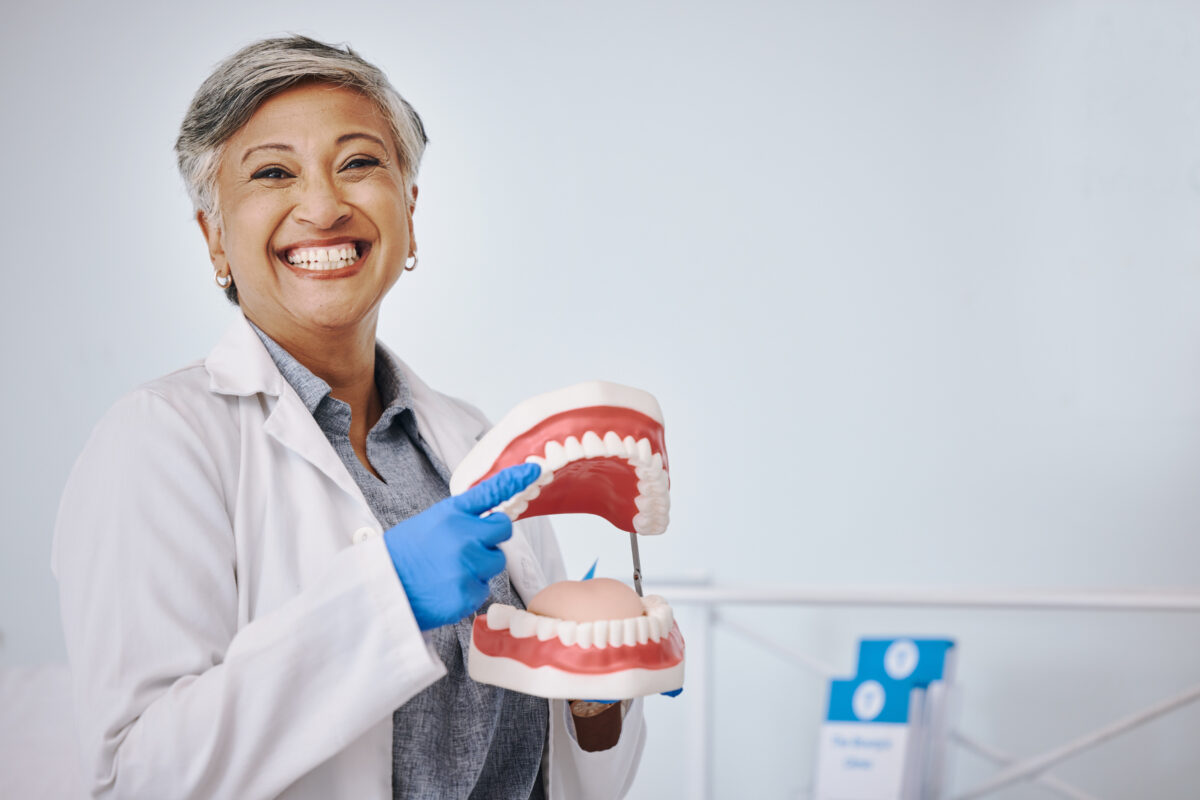
Dentures are removable dental appliances designed to replace missing teeth and the surrounding tissues. They can be full (complete) or partial, depending on how many teeth are missing. Full dentures are used when all teeth are missing, while partial dentures fill in the gaps left by one or more missing teeth.

Types of Dentures

Complete Dentures: These are used when all natural teeth are gone. They rest on the gums and are held in place by suction or dental adhesives. Complete dentures are typically made from acrylic resin, which mimics the appearance of natural gums.

Partial Dentures: These are used when some natural teeth remain. Partial dentures are usually made of a combination of metal and acrylic. They help fill the gaps and prevent the remaining teeth from shifting, which can lead to misalignment and other dental issues.

Implant-Supported Dentures: For a more stable option, some patients opt for dentures that are supported by dental implants. Implants are surgically placed into the jawbone, providing a solid foundation for the dentures. This option can significantly enhance comfort and functionality.

Benefits of Dentures

Restored Functionality: Dentures can help you chew and speak more effectively. Missing teeth can make it difficult to enjoy your favorite foods or communicate clearly, but dentures restore your ability to eat and talk with confidence.

Improved Appearance: One of the most significant benefits of dentures is the restoration of your smile. They can enhance your facial structure, giving you a more youthful appearance by providing support to your cheeks and lips.

Boosted Confidence: Many people who lose their teeth experience a decline in self-esteem. Dentures can help restore your confidence, allowing you to smile, laugh, and socialize without feeling self-conscious.

Cost-Effective Solution: Compared to other tooth replacement options, such as dental implants, dentures are often more affordable and can be a suitable solution for those on a budget.

The Process of Getting Dentures

Consultation: Your journey begins with a consultation with your dentist. They will assess your dental health and discuss your options, including the type of dentures that would best suit your needs.

Treatment Plan: If you need extractions, your dentist will create a treatment plan. Once your mouth has healed, they will take impressions of your gums and any remaining teeth to create a custom-fit denture.

Fitting and Adjustments: After your dentures are made, you will return to the dentist for a fitting. The dentist will ensure that they fit comfortably and make any necessary adjustments.

Follow-Up Care: After receiving your dentures, it’s essential to attend follow-up appointments. Your dentist will check how well they fit and provide tips for proper care and maintenance.

Caring for Your Dentures

Proper care and maintenance are crucial for the longevity of your dentures. Here are some essential tips:

Daily Cleaning: Just like natural teeth, dentures should be cleaned daily. Use a soft-bristle brush and a mild detergent specifically designed for dentures. Avoid regular toothpaste, which can be abrasive.

Soaking: When not in use, dentures should be soaked in water or a denture cleaning solution to keep them moist and prevent warping.

Regular Dental Check-Ups: Regular visits to your dentist are vital for maintaining the health of your mouth and ensuring your dentures fit well. Over time, your mouth can change, and adjustments may be needed.

Avoid Hard Foods: Be cautious with hard or sticky foods, which can damage dentures. If you experience discomfort while eating, consult your dentist.

Common Concerns

Discomfort: It’s common to feel some discomfort when you first get dentures. This should improve as your mouth adjusts. If discomfort persists, consult your dentist for adjustments.

Adjusting to Speaking: Many new denture wearers notice changes in their speech. Practice speaking aloud and read to yourself to help adjust. Over time, most people find that their speech returns to normal.

Diet Changes: Initially, you may need to modify your diet as you get used to your dentures. Start with softer foods and gradually reintroduce harder foods as you become more comfortable.

Dentures can be an excellent solution for restoring your smile and improving your quality of life. With advancements in dental technology, modern dentures are more comfortable and natural-looking than ever before. If you’re considering dentures, consult your dentist to explore the best options for your needs. With proper care and maintenance, you can enjoy the benefits of dentures for years to come, reclaiming your smile and confidence!

The Ultimate Guide to Oral Surgery: What You Need to Know

Oral surgery—two words that can strike fear into the hearts of even the bravest among us. But fear not; understanding what oral surgery entails can turn that anxiety into confidence. Whether you’re facing tooth extractions, dental implants, or corrective jaw surgery, being prepared can make all the difference in your experience and recovery. Let’s dive into “The Ultimate Guide to Oral Surgery: What You Need to Know,” breaking down the process step by step, peeling away the layers, and revealing the full picture.

What Exactly Is Oral Surgery?

Oral surgery refers to a range of surgical procedures performed in and around the mouth and jaw. These aren’t your routine cleanings or cavity fillings—oral surgeries are more intricate procedures that require a deeper understanding of oral anatomy and specialized training. From impacted wisdom teeth and jaw realignment to biopsies for suspicious lesions, oral surgery covers a vast landscape. And each procedure has its nuances, each a story waiting to be told.

When Do You Need Oral Surgery?

Deciding when you need oral surgery is not a one-size-fits-all answer. It’s a decision that often stems from discomfort, a diagnosis, or a vision of better oral health or aesthetics. You may need oral surgery if:

  • Impacted Teeth: Wisdom teeth that are trapped in your jaw or gum and can cause pain or infection.
  • Tooth Loss: Dental implants can offer a permanent solution to missing teeth.
  • Facial Injury: Fractured jaws or broken facial bones may require surgical intervention.
  • Jaw Alignment Issues: If the upper and lower jaws do not align properly, corrective jaw surgery might be on the table.
  • Suspicious Growths: Biopsies to test for oral cancer or other anomalies.

Sometimes, it’s a clear-cut case—pain, swelling, or infection makes the decision for you. Other times, it’s a proactive measure, like preparing for braces or improving functionality and aesthetics.

The Different Types of Oral Surgery Procedures

Oral surgery isn’t a monolith; it’s a mosaic of specialized procedures tailored to unique needs. Here’s a closer look at some of the most common oral surgeries:

  1. Tooth Extractions

We’ve all heard of tooth extractions—who hasn’t had their wisdom teeth removed, right? But extractions go beyond those pesky molars. This procedure becomes necessary when a tooth is severely decayed, damaged, or causing crowding issues. The extraction can range from simple (a quick, straightforward pull) to complex (involving surgery to remove bone or break the tooth into pieces).

  1. Dental Implants

A revolutionary procedure in the world of dentistry, dental implants replace missing teeth with metal posts or frames surgically positioned into the jawbone. Once in place, these posts allow the dentist to mount replacement teeth onto them. The magic? They look, feel, and function like natural teeth. But, it’s a journey—requiring multiple steps and patience for healing between stages.

  1. Corrective Jaw Surgery (Orthognathic Surgery)

Corrective jaw surgery isn’t just about a perfect smile—it’s often about regaining functionality. If your jaws don’t meet correctly or you have trouble chewing, speaking, or breathing, this surgery could be a game-changer. It involves repositioning the jaws to improve alignment, aesthetics, and overall health. The recovery can be intense, but the results? Life-changing.

  1. Bone Grafting

Think of bone grafting as laying the foundation before you build the house. For those needing dental implants but lacking sufficient jawbone support, bone grafting provides the necessary base. This procedure involves taking bone from another part of your body—or using synthetic or donor bone—to build up the jaw.

  1. Biopsies and Lesion Removal

A biopsy is not just about removing a suspicious lesion or growth; it’s about giving you peace of mind or catching a potentially serious condition early. The procedure involves taking a small sample of tissue for testing. It’s quick, often painless, and critical for diagnosing conditions like oral cancer.

Preparing for Oral Surgery: What to Expect

Preparation is everything. It’s not just about the day of the surgery; it’s about the days leading up to it.

  • Consultation: This is your opportunity to ask questions, understand the procedure, and discuss any concerns.
  • Medical History Review: Your surgeon needs to know everything—from medications and allergies to past surgeries.
  • Pre-Surgery Instructions: You might be asked to fast, stop certain medications, or make arrangements for someone to drive you home.

Managing Anxiety Before Oral Surgery

Anxiety is a common guest at the doorsteps of surgery. Address it head-on: mindfulness techniques, deep breathing exercises, or discussing sedation options with your surgeon can help. Remember, your dental team is there to support you—they want you as comfortable as possible.

The Day of Surgery: Navigating the Experience

You’ve prepared, you’ve fasted, you’ve arranged for a ride home—now what? Here’s what to expect:

  • Check-In and Paperwork: Arrive early to handle any last-minute paperwork.
  • Sedation and Anesthesia: Depending on the procedure, you may receive local anesthesia, sedation, or general anesthesia.
  • The Procedure Itself: Each surgery varies in time and complexity. Your oral surgeon will guide you through the steps specific to your case.
  • Immediate Aftercare: Expect some bleeding, swelling, or discomfort. Cold packs and prescribed medications will be your best friends.

Post-Surgery Care: The Road to Recovery

Your aftercare plan is just as crucial as the surgery itself. Neglecting it could mean complications or prolonged recovery times.

  • Rest and Hydration: Rest is essential. Drink plenty of fluids but avoid using straws—they can dislodge blood clots essential for healing.
  • Soft Diet: Think mashed potatoes, soups, and smoothies. Anything too hot, cold, or chewy is off the menu.
  • Oral Hygiene: Keeping your mouth clean is vital, but you must be gentle. Follow your dentist’s instructions to avoid infection or irritation.
  • Follow-Up Appointments: Don’t skip these. They are crucial for monitoring your recovery and addressing any concerns.

Potential Risks and Complications: What You Need to Know

Every surgery carries risks, and oral surgery is no different. Complications like infection, nerve damage, prolonged bleeding, or sinus problems can arise. That’s why choosing a skilled, experienced oral surgeon and following all pre- and post-operative instructions is vital.

The Emotional Side of Oral Surgery

It’s not all physical—there’s an emotional toll too. Anxiety, fear of pain, or the unknown can weigh heavy. Talking it out, reading up, and even joining support groups can help. Sometimes, the scariest part is the anticipation, not the surgery itself.

Oral surgery may sound intimidating, but knowledge truly is power. Understanding the types, the process, the preparation, and the recovery can help transform fear into confidence. Armed with this ultimate guide, you’re not just a patient—you’re an informed, empowered individual ready to take the next step toward better oral health. Remember, each procedure is a journey, and every journey starts with that first informed step.

Are Dental Veneers Worth the Investment? Here’s What You Should Consider

Dental veneers have become a popular choice for people looking to enhance their smiles, but are they worth the investment? If you’re considering veneers, it’s crucial to understand what they offer and whether they’re the right solution for you. In this comprehensive guide, we’ll explore the benefits, costs, and factors to consider before making a decision about dental veneers.

What Are Dental Veneers?

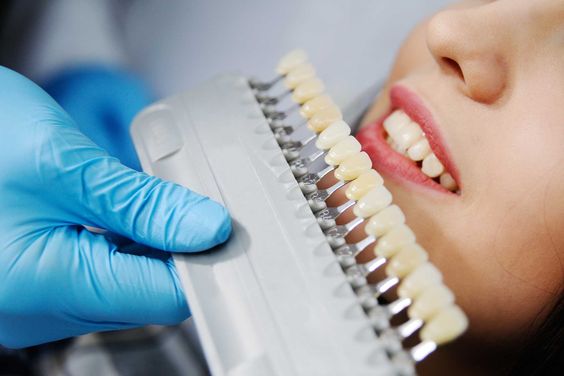
Dental veneers are thin, custom-made shells designed to cover the front surface of your teeth. They are typically made from porcelain or composite resin and are bonded to your teeth to improve their appearance. Veneers can address various cosmetic issues, including discoloration, chips, gaps, and misalignment.

Benefits of Dental Veneers

  1. Enhanced Aesthetics: Veneers can dramatically improve the appearance of your teeth, giving you a whiter, more uniform smile. They are designed to mimic the natural translucency and texture of teeth, making them look incredibly realistic.
  2. Durability: High-quality veneers, particularly porcelain ones, are durable and can last between 10 to 15 years with proper care. They are resistant to staining and can withstand everyday wear and tear.
  3. Minimally Invasive: Compared to other cosmetic dental procedures, applying veneers is relatively non-invasive. Only a small amount of tooth enamel needs to be removed to accommodate the veneers.
  4. Quick Results: The process of getting veneers is usually completed within a few visits to your dentist. The results are immediate, giving you a beautiful smile in a short amount of time.
  5. Customizable: Veneers can be customized to match the shape, size, and color of your natural teeth, ensuring a personalized fit that complements your smile.

Factors to Consider

Before investing in dental veneers, consider the following factors:

Cost

Dental veneers can be a significant investment. The cost varies depending on the type of veneers (porcelain or composite), the number of veneers required, and your location. On average, porcelain veneers cost between $800 and $2,500 per tooth, while composite veneers are generally less expensive, ranging from $250 to $1,500 per tooth. It’s essential to evaluate your budget and explore financing options if necessary.

Longevity and Maintenance

While veneers are durable, they are not permanent. Over time, they may need to be replaced or repaired due to wear and tear. Proper maintenance is crucial to extending their lifespan. This includes regular brushing, flossing, and routine dental check-ups. Avoiding habits such as grinding your teeth or biting hard objects can also help preserve your veneers.

Suitability

Not everyone is a candidate for dental veneers. Your dentist will assess your oral health to determine if veneers are appropriate for you. Factors such as the condition of your teeth, existing dental issues, and your overall oral hygiene will influence your suitability for veneers.

Irreversibility

The process of getting veneers is irreversible. Once your teeth are prepared for veneers, you cannot go back to their original state. It’s important to be confident in your decision and discuss any concerns with your dentist before proceeding.

Potential Risks

While veneers are generally safe, there are potential risks to consider. These include:

  • Sensitivity: Some people experience increased tooth sensitivity after getting veneers. This is usually temporary but should be monitored by your dentist.
  • Bonding Issues: Occasionally, veneers may not bond properly to the tooth, which can lead to potential complications.
  • Chipping or Cracking: Although veneers are durable, they can chip or crack if subjected to excessive force.

The Decision-Making Process

When deciding whether dental veneers are worth the investment, weigh the benefits against the costs and potential risks. Consider how much the aesthetic improvements mean to you and how they align with your overall dental goals.

Consultation with Your Dentist

Before making a final decision, schedule a consultation with your dentist. They will provide a thorough evaluation of your oral health, discuss your goals, and recommend the best course of action. Your dentist can also provide information about alternative treatments if veneers are not the most suitable option for you.

Personal Considerations

Reflect on your personal needs and preferences. Are you seeking a significant cosmetic change, or are you looking for a more conservative approach? Consider how veneers fit into your long-term dental care plan and how they will impact your daily life.

Conclusion

Dental veneers offer a valuable option for those looking to enhance their smiles with a minimally invasive procedure. They provide numerous benefits, including improved aesthetics, durability, and customization. However, it’s important to consider the costs, maintenance, and potential risks before making an investment. By consulting with your dentist and evaluating your personal needs, you can make an informed decision about whether dental veneers are the right choice for you.

Dental Crowns 101: Everything You Need to Know for a Perfect Smile

Imagine this: you’re about to take that photo you’ve been looking forward to, but you hesitate because you’re self-conscious about your smile. It’s not uncommon; many of us wish our smiles were a bit more…perfect. That’s where dental crowns come into play. They’re like a secret weapon for those of us who want to reclaim our confidence and protect our teeth at the same time.

What Are Dental Crowns?

Dental crowns are essentially caps for your teeth. They sit snugly on top of a damaged or decayed tooth, restoring its shape, size, strength, and appearance. Crowns can be made from various materials—porcelain, ceramic, metal, or a combination of these. The choice of material depends on the location of the tooth, your budget, and your dentist’s recommendation.

Why Might You Need a Crown?

So, why would you need a crown? Well, there are a few reasons. Maybe you’ve had a root canal, and your tooth needs extra protection. Perhaps you have a large filling that’s weakening your tooth. Or maybe, like many others, you just want to cover up a discolored or misshapen tooth to enhance your smile. Whatever the reason, dental crowns are a versatile solution.

The Process: What to Expect

Getting a crown isn’t a one-step deal. It usually takes a couple of visits to your dentist. On the first visit, your dentist will examine the tooth, take X-rays, and prepare the tooth by removing a portion of it to make room for the crown. Then, they’ll take an impression of your tooth, which will be sent to a lab to create your custom crown. You’ll likely get a temporary crown to wear while you wait.

When your permanent crown is ready, you’ll go back to the dentist. They’ll remove the temporary crown, check the fit and color of the permanent one, and then cement it into place. Voila! Your tooth is now protected and looks as good as new.

Benefits of Dental Crowns

Why go through the hassle? Well, dental crowns offer several benefits:

Protection: They shield a damaged tooth from further decay or injury.

Durability: Crowns can last many years with proper care.

Improved Appearance: They can dramatically improve the look of your teeth, giving you that perfect smile.

Comfort: Unlike dentures, crowns are fixed in place, so you won’t have to worry about them slipping or causing discomfort.

Caring for Your Crown

Once you’ve got your crown, it’s important to take good care of it. This isn’t just about brushing and flossing (although that’s crucial, of course). You should also avoid biting down on hard objects, like ice or pen caps, which could crack or damage your crown. And don’t forget those regular dental check-ups—they’re key to making sure your crown stays in top condition.

Possible Issues with Crowns

While crowns are generally very effective, they’re not without their potential issues. Sometimes, a crown can become loose or even fall off if the cement wears down. In rare cases, you might develop an allergic reaction to the materials used in the crown. And, of course, there’s always the risk of the underlying tooth developing decay if you don’t maintain proper oral hygiene.

Is a Dental Crown Right for You?

Best Dental crowns and fantastic option for those looking to protect a damaged tooth, restore its function, or simply enhance their smile. They’re durable, effective, and can make a world of difference in your confidence. But, like any dental procedure, it’s essential to weigh the pros and cons and consult with your dentist to determine if a crown is the best option for you.

So, next time you hesitate before flashing that smile, remember—there’s a solution out there, and it might just be a dental crown. Your perfect smile could be just a few dental visits away.

What is a Dental Emergency? When to Seek Dental Care for an Emergency?

Dental emergencies can be frightening experiences since they frequently occur at the most inconvenient times, leaving patients to deal with discomfort and uncertainty. Therefore, maintaining dental health and preventing future difficulties can be greatly aided by being aware of what urgent dental situations are and when to seek quick care. In this blog, we’ll go into great detail on dental emergencies, going over different situations, symptoms, and important actions to take when experiencing dental difficulty. But first, it’s important to know what constitutes a dental emergency.

What is a Dental Emergency?

A dental emergency is any unexpected, unforeseeable problem with teeth, gums, or surrounding oral tissues that need to be treated immediately by an authorized dentist. A wide range of dental emergencies, such as tooth pain, trauma, and injuries connected to the teeth, might be covered under such emergencies. Dental emergencies must be treated as soon as possible to relieve pain and maintain oral health. If left untreated, it may result in pain, infection, and other consequences. If you are in Flower Mound Texas,visit the nearest dental office in case of a dental emergency.

What is considered a Dental Emergency?

A dental emergency includes a range of critical circumstances that require prompt response from a qualified dental professional. These are the aspects that emphasize how serious a dental emergency is and the urgent need for assessment and care in order to stop more issues from arising and ease pain. Below points will give you a thorough idea of what counts as an emergency dental situation.

Abscessed Tooth

An intensely painful, swollen, and feverish bacterial infection that accumulates pus around the tooth’s root is the result of an abscessed tooth. Untreated gum disease, trauma, or cavities are frequently the causes of it. If neglected, this situation can spread the infection to other body areas and necessitate extraction of the tooth or root canal therapy.

Swollen or Bleeding Gums

Gum disease, also known as gingivitis or periodontitis, can cause swelling in the gums. This condition can result in tooth loss, systemic health problems, and gum recession. In extreme circumstances, this situation could indicate an acute infection or trauma that needs to be evaluated and treated promptly by a dentist.

Cracked/Broken tooth

Are you wondering is a broken tooth a dental emergency? is a cracked tooth an emergency? Well, the untreated decay, trauma, or biting on hard objects are some of the causes of a cracked/broken or chipped tooth/teeth. The fracture may produce pain, sensitivity, or trouble chewing, depending on its position and degree. A broken tooth may require restorative operations like a root canal, dental bonding, or a dental crown treatment if it is not treated promptly. This could result in more damage, infection, or even broken tooth loss.

Soft tissue injury

Sport-related trauma, accidents, and biting down on sharp objects can all result in injuries to the lips, tongue, cheeks, or gums. Swelling, pain, and trouble speaking or eating can result from cuts, tears, or punctures to soft tissues. A dentist’s inspection and proper wound care are crucial to minimizing scarring, promoting healing, and preventing infection.

Severe Toothache

A severe toothache can be incapacitating, interfering with day-to-day activities and suggesting that there are deeper dental problems, such as decay, infection, or damage to the nerves. The pain could be persistent, intense, or throbbing, and it could get worse as you chew or the temperature changes. It is crucial to schedule an appointment with a dentist to determine the core of the pain and undergo the proper treatment, which may involve extractions, root canal treatments, or fillings.

Dental Infections

When decay, damage, or impaired dental work goes untreated, dental infections can occur inside the tooth or in the tissues around it. Discomfort, fever, swelling, and trouble swallowing or breathing are possible symptoms. Emergency dental care is important to treat the abscess, get rid of the infection, and prevent it from spreading to other structures or the bloodstream.

Exposed Nerves

It is common for extensive decay, broken teeth, or dental operations like deep fillings to expose dental nerves, which can cause tremendous discomfort and sensitivity to hot, cold, or sweet stimuli. If neglected, exposed nerves can result in pulpitis or irreversible pulp necrosis, necessitating extraction to relieve pain or root canal therapy.

Knocked-out tooth

A knocked-out tooth, sometimes referred to as an avulsed tooth, can occur as a result of mishaps, sports injuries, or physical conflicts. It is imperative to act quickly in order to maximize the tooth’s chances of survival. Take extra precautions while handling the tooth. Give it a gentle rinse with water, cover it with milk, and get dental care promptly to get it reattached.

Extruded tooth

An extruded tooth, also called a partially dislodged tooth, might occur as a result of facial trauma. Even if the tooth is still partially in its socket, it could look longer or stick out more than the teeth next to it. Urgent dental attention is required to avoid additional displacement of the tooth or harm to the surrounding tissues.

What to do in a dental emergency

It is essential to remain composed and take swift action to minimize discomfort and protect oral health during a dental emergency. Check out these crucial steps to learn more.

Assess the situation

Assess the extent of the damage or symptoms. Check whether bleeding, swelling, discomfort, or soft tissue or dental injury is present. Examine your teeth for any indications of illness, such as fever or pus discharge, which might be linked to an infection or abscess.

Control bleeding

If there is bleeding from the soft tissues or gums, use clean gauze or a cloth to press on the affected area gently. Rinse your mouth with warm water to help with clothes and get rid of particles. Refrain from spitting or rinsing vigorously, as this may cause blood clots to come loose and prolong bleeding.

Manage pain

To ease the pain, take over-the-counter medications and speak with your dentist over the phone to consult on the same. You can also apply topical numbing gels, which can offer temporary tooth pain relief because they contain benzocaine. Avoid applying aspirin directly to the gums, as it can irritate the tissues and impede healing.

Preserve dislodged teeth

Take extra caution while handling knocked-out teeth to prevent further harm. Don’t touch the roots; instead, hold the tooth by its crown. To get rid of debris, gently rinse the teeth with milk or a saline solution if they’re unclean. To prevent sensitive tissues from being harmed, do not scrape or sterilize the teeth. Store the tooth in milk or saliva to keep it moist until you get dental care.

Contact your dentist

Consult your dentist or a dental emergency clinic right away for advice and care. Describe the emergency in full, including any symptoms or injuries. Provide details about your medical history, current medications, and any recent dental operations or treatments you may have had.

When to go to the hospital for tooth pain

Consider going for care in these cases:

  • Severe facial or neck swelling coexists with the too. It can be a sign of a dangerous infection or abscess that needs to be treated right away.
  • There are indications of a systemic infection, including fever or breathlessness. A persistent fever and chills may be signs of a systemic illness that stems from the teeth.
  • It is important to seek care at an emergency room if you are unable to get in to see your regular dentist for prompt evaluation and treatment, especially on weekends, holidays, or during off-peak hours.
  • A tooth infection might increase your risk of complications, so make sure you get to the medical attention urgently if you have diabetes, heart disease, or a weakened immune system.

Can you go to the emergency room for a severe toothache

Emergency rooms cannot offer long-term dental care, even though they can offer brief relief for severe tooth pain. However, you might need to visit the emergency room for medical assistance if you suffer from unexpected, excruciating pain or complications outside of usual dentistry hours. Medical practitioners can determine the extent of your toothache, control your pain, and, if necessary, recommend you to an oral surgeon or dentist for additional assessment and treatment.

Can I go to the hospital for a tooth pain

Acute dental problems are treated by hospital departments, especially if they are life-threatening or urgently need to be attended to. Emergency rooms might provide a restricted range of dental services and direct patients seeking further care to a dentist.

Where to go for a dental emergency?

A dental emergency can be scary, but don’t panic! Get fast, expert help from a qualified dentist. FloMo Dental’s team of expert dentists is well-equipped in general dentistry in Flower Mound, TX, and equipped to handle various emergencies. Providing quick care to ease your pain and fix the problem, getting you back to smiling in no time.

How and Where Can I Find a Dental Office in Flower Mound, Texas?

When it comes to dental care, Flower Mound, Texas, residents have access to a wide range of dental offices and clinics that provide all-inclusive services. You can use internet search engines, dental dictionaries, word-of-mouth recommendations, neighborhood resources, professional associations, and local community services to locate a dental office in Flower Mound, Texas. However, FloMo Dental, an established and highly esteemed dental practice noted for its dedication to patient care and expertise in dentistry, can make your task of finding a reliable dentist hassle-free. Contact us to receive the best care and support during your dental emergency.

Conclusion

The way you handle a dental emergency can have a big impact on how well the treatment goes. When in doubt, call a dentist. You can protect your dental health and have a lifetime of healthy smiles simply by making routine dental checkups a priority and taking immediate care of any dental issues.