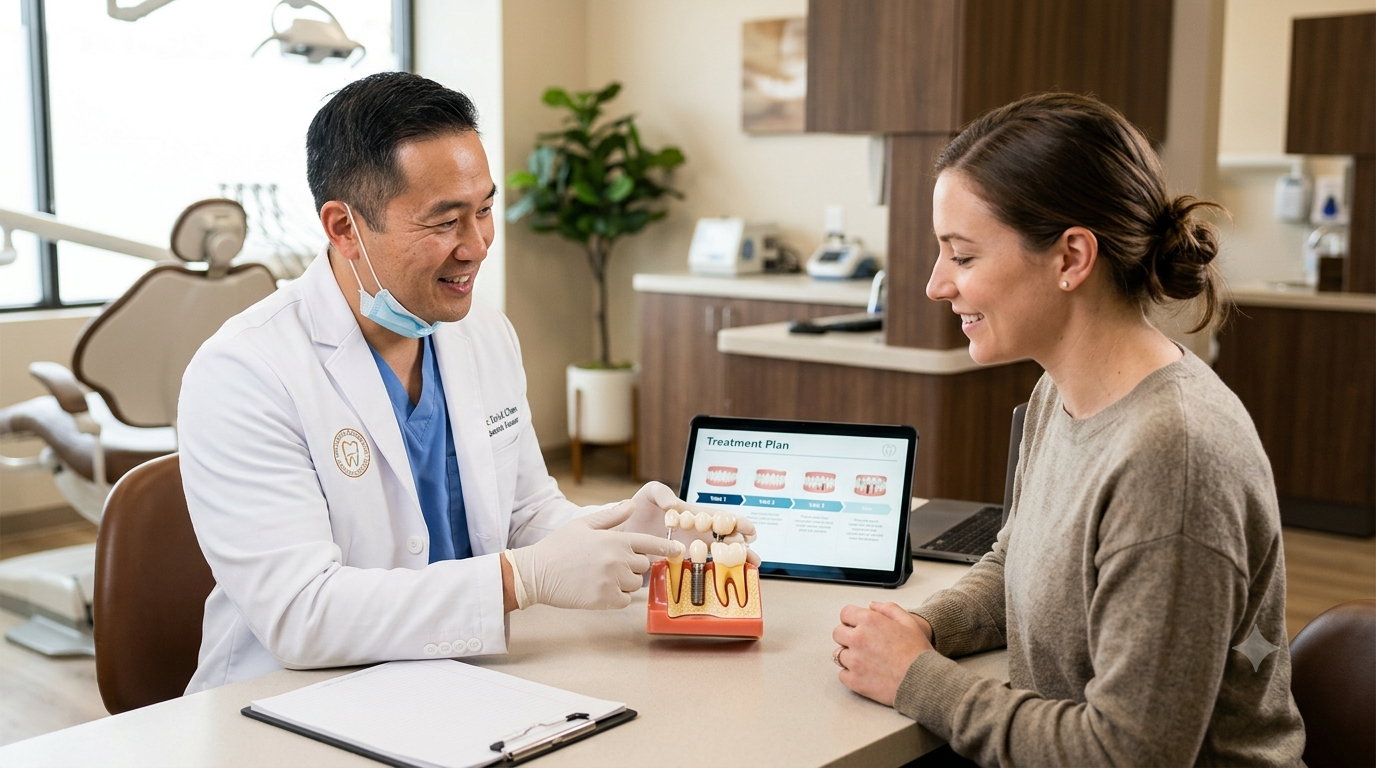
Missing teeth are more than just a cosmetic concern. They can affect the way you chew, speak, and even the alignment of your remaining teeth. Over time, untreated gaps in your smile may lead to shifting teeth, bite problems, and bone loss in the jaw. Fortunately, dental bridges provide an effective and natural-looking solution for restoring your smile.
A dental bridge literally “bridges” the gap caused by one or more missing teeth. This restoration not only enhances your appearance but also restores function and protects your oral health. In this blog, we’ll explore the top benefits of getting a dental bridge for missing teeth and why it may be the right choice for you.
What Is a Dental Bridge?
A dental bridge is a fixed prosthetic device used to replace one or more missing teeth. It typically consists of:
- Artificial tooth (pontic) – Fills the gap of the missing tooth.
- Abutment teeth – The healthy teeth on either side of the gap that support the bridge.
- Crowns – Placed on abutment teeth to secure the bridge in place.
Dental bridges can be made from porcelain, ceramic, or metal alloys, with porcelain being the most popular due to its natural tooth-like appearance.
Types of Dental Bridges
Traditional Bridges
The most common type, using crowns on the abutment teeth with a pontic in between.
Cantilever Bridges
Used when there’s only one supporting tooth next to the gap.
Maryland Bonded Bridges
Uses a metal or porcelain framework bonded to the back of the supporting teeth.
Implant-Supported Bridges
Secured with dental implants instead of natural teeth, offering a highly durable and long-lasting solution.
Top Benefits of Getting a Dental Bridge
1. Restores Your Smile
One of the most obvious benefits is the improvement in your appearance. A dental bridge fills the empty gap left by missing teeth, giving you a complete and confident smile again.
2. Improves Chewing and Speaking
Missing teeth can make chewing food difficult and affect speech clarity. With a dental bridge, you can chew comfortably and pronounce words correctly without worrying about gaps.
3. Prevents Shifting of Teeth
When a tooth is lost, the surrounding teeth may shift into the empty space. This can lead to misalignment, bite problems, and even TMJ disorders. A bridge keeps your teeth in their correct position.
4. Maintains Facial Shape
Teeth play a role in supporting your facial structure. Gaps can cause the face to sag or look sunken over time. A dental bridge helps maintain a natural and youthful appearance.
5. Cost-Effective Solution
Compared to implants, dental bridges are often more affordable while still providing long-lasting results. With proper care, they can last 10–15 years or more.
6. Quick and Minimally Invasive
Unlike implants that require surgery and months of healing, bridges usually take only 2–3 dental visits to complete. This makes them a faster solution for missing teeth.
How Dental Bridges Protect Oral Health
While many people see bridges as just a cosmetic fix, they actually play an important role in maintaining oral health:
- Prevents bite issues by keeping teeth aligned.
- Reduces strain on remaining teeth by distributing chewing forces evenly.
- Protects oral function, allowing you to eat a balanced diet.
- Supports gum health by covering exposed areas that might otherwise trap food and bacteria.
What to Expect When Getting a Dental Bridge
Step 1: Consultation
Your dentist will examine your teeth, gums, and jaw to determine if you’re a candidate for a bridge. X-rays or digital scans may be taken.
Step 2: Tooth Preparation
The abutment teeth are reshaped to fit crowns. Impressions of your teeth are taken to design a custom bridge.
Step 3: Temporary Bridge
A temporary bridge may be placed to protect your teeth while the permanent one is being made.
Step 4: Permanent Placement
The final bridge is cemented into place, checked for fit, and adjusted for comfort.
Caring for a Dental Bridge
To maximize the life of your dental bridge, follow these tips:
- Brush twice daily with fluoride toothpaste.
- Floss daily, especially under the pontic, using floss threaders or interdental brushes.
- Schedule regular checkups to ensure the bridge and surrounding teeth remain healthy.
- Avoid hard or sticky foods that may damage the bridge.
With good care, dental bridges can provide reliable function and beauty for many years.
Who Is a Good Candidate for a Dental Bridge?
You may be a good candidate if you:
- Have one or more missing teeth.
- Have healthy teeth or implants to support the bridge.
- Want a quicker and more affordable solution compared to implants.
- Are committed to good oral hygiene habits.
If your jawbone is strong and healthy, your dentist may also discuss implant-supported bridges, which provide even greater stability and durability.
Conclusion
Missing teeth don’t just affect your smile—they impact your daily life, oral health, and overall confidence. A dental bridge is a proven solution that restores function, improves appearance, and protects long-term oral health.
Whether you choose a traditional, cantilever, Maryland, or implant-supported bridge, the benefits are clear: you’ll be able to smile, chew, and speak with ease again. If you’re ready to explore your options, schedule a consultation with your dentist today and discover how a dental bridge can transform your smile.