Dental care has come a long way from the days of rudimentary tools and manual procedures. Over the years, technological advancements have completely transformed how dentists diagnose, treat, and interact with patients. Today, dental technology not only improves the accuracy and efficiency of treatments but also enhances the overall patient experience. In this article, we’ll explore the key ways dental technology has revolutionized patient care and why it matters for your oral health.
The Evolution of Dental Technology
Historically, dental care was limited by the tools and techniques available. Early dentistry involved hand tools, basic drills, and trial-and-error treatments. Patients often faced painful procedures with long recovery times. As science and engineering progressed, new technologies began to emerge, changing the landscape of dentistry.
From digital imaging to laser dentistry, modern dental technology focuses on precision, speed, and comfort. These innovations allow dentists to provide more effective care while reducing discomfort and anxiety for patients.
Digital Imaging and Diagnostic Tools
One of the most significant advancements in dental technology is digital imaging. Traditional X-rays, while useful, often required higher radiation exposure and slower processing times. Digital X-rays and 3D imaging, such as Cone Beam Computed Tomography (CBCT), provide highly detailed images of teeth, gums, and jaw structures with minimal radiation.
These tools allow dentists to detect problems such as cavities, infections, bone loss, and impacted teeth earlier and more accurately. Early detection often leads to less invasive treatments, lower costs, and better outcomes for patients.
CAD/CAM Technology and Same-Day Restorations
Computer-Aided Design (CAD) and Computer-Aided Manufacturing (CAM) have transformed restorative dentistry. Using these technologies, dentists can design and create crowns, bridges, and veneers with remarkable precision.
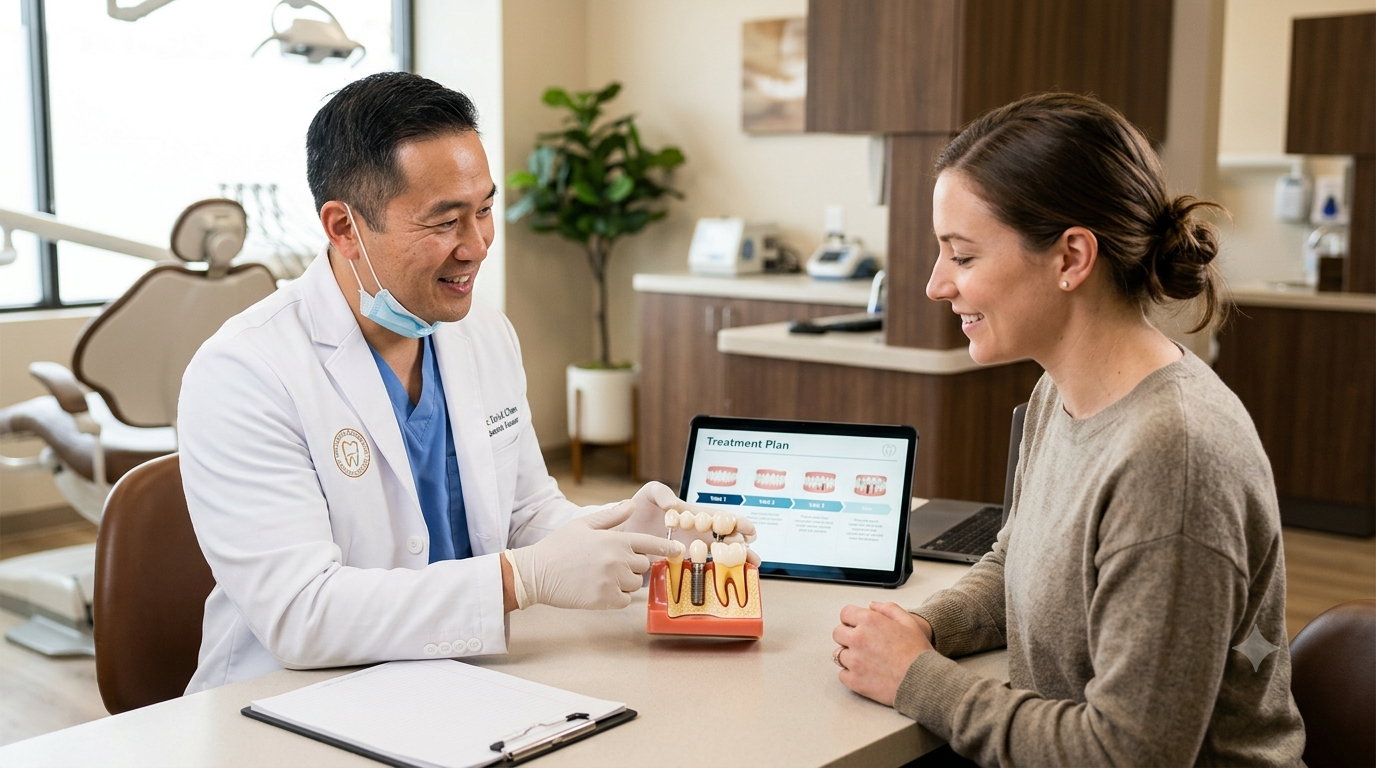
One of the most significant benefits for patients is the possibility of same-day restorations. Instead of multiple appointments spanning weeks, CAD/CAM allows for a crown or dental implant to be completed in a single visit. This reduces discomfort, saves time, and improves patient satisfaction.
Laser Dentistry for Precision and Comfort
Laser technology has also changed the way dentists approach soft tissue and cavity treatments. Lasers allow for minimally invasive procedures, reducing the need for traditional drills and scalpels.
For patients, laser dentistry means less pain, reduced bleeding, and faster healing times. Procedures such as gum reshaping, cavity removal, and treatment of oral lesions can now be performed with greater precision and patient comfort.
Improved Preventive Care with Digital Tools
Preventive dentistry has greatly benefited from technological advances. Tools like intraoral cameras allow dentists to capture high-resolution images of teeth and gums, helping patients understand their oral health better.
Digital monitoring systems and software track a patient’s oral health over time, providing reminders for cleanings, checkups, and preventive treatments. This proactive approach not only prevents serious dental issues but also engages patients in their own care, making it easier to maintain healthy teeth and gums.
Sedation and Pain Management Innovations
Dental anxiety is a common barrier to regular care, especially for children and sensitive patients. Modern dental technology has introduced advanced sedation and pain management techniques, including nitrous oxide, IV sedation, and computer-controlled local anesthetics.
These innovations help patients feel more relaxed during procedures, reducing fear and stress. With improved comfort, patients are more likely to maintain regular dental visits, ensuring better long-term oral health.
3D Printing and Custom Solutions
3D printing technology has also made a significant impact on dental care. Dentists can now create custom aligners, surgical guides, dentures, and implants with precise measurements tailored to individual patients.
This level of customization improves treatment accuracy, shortens recovery time, and provides a better fit for prosthetics, making dental care more effective and patient-friendly.
Tele-dentistry and Accessibility
The rise of tele-dentistry has made dental care more accessible, especially for patients in remote areas or with mobility challenges. Virtual consultations, treatment planning, and follow-up appointments allow patients to connect with dentists without the need for travel.
Tele-dentistry also improves communication and patient education, ensuring that patients stay informed about their oral health and treatment options.
The Future of Dental Technology
As technology continues to evolve, we can expect even more transformative changes in dentistry. Artificial intelligence (AI) and machine learning are beginning to assist in diagnostics, treatment planning, and predictive analytics. Smart dental devices and wearable technology may soon allow real-time monitoring of oral health, further improving preventive care and patient outcomes.
Conclusion
Dental technology has fundamentally transformed patient care, making it more accurate, comfortable, and accessible. From digital imaging and CAD/CAM restorations to laser dentistry and tele-dentistry, modern tools empower dentists to provide high-quality care while improving the patient experience.
For patients, these advancements mean earlier detection of dental issues, faster and less invasive treatments, and a greater understanding of their oral health. Investing in a dental practice that embraces technology is not just about convenience—it’s about receiving the best possible care for a healthier, happier smile.