Missing teeth can affect much more than your appearance. They can impact your ability to eat comfortably, speak clearly, and maintain proper oral health. Fortunately, modern dentistry offers a highly effective solution: dental implants.
Dental implants have become the gold standard for replacing missing teeth because they do more than restore a smile—they help restore oral function. If you’re considering dental implants, understanding how they work and what benefits they provide can help you make an informed decision about your oral health.
What Are Dental Implants?
A dental implant is a small titanium post that is surgically placed into the jawbone to replace the root of a missing tooth. Once the implant integrates with the bone through a process called osseointegration, it serves as a stable foundation for a dental crown, bridge, or denture.
Unlike traditional tooth replacement options that sit on top of the gums, dental implants become part of the jaw structure, providing exceptional stability and support.
Why Oral Function Matters
When a tooth is lost, the effects extend beyond the visible gap in your smile.
Missing teeth can lead to:
- Difficulty chewing certain foods
- Changes in speech
- Bite misalignment
- Increased stress on neighboring teeth
- Bone loss in the jaw
- Reduced confidence when smiling or speaking
Over time, these issues can affect both oral health and overall quality of life. Dental implants help address these concerns by restoring function in a way that closely mimics natural teeth.
How Dental Implants Restore Chewing Ability
One of the biggest advantages of dental implants is their ability to restore biting and chewing strength.
Traditional dentures can sometimes shift or move during eating, making certain foods difficult to enjoy. Because implants are anchored directly into the jawbone, they provide a secure foundation that allows patients to eat a wider variety of foods with greater confidence.
Many patients find they can comfortably enjoy:
- Fresh fruits and vegetables
- Lean meats
- Nuts and seeds
- Crunchy foods
- Foods that may have been difficult with missing teeth or removable dentures
Improved chewing function can also contribute to better nutrition and overall health.
Supporting Clear Speech
Teeth play an important role in speech. Missing teeth can sometimes make it difficult to pronounce certain words or sounds properly.
Because dental implants are fixed in place and designed to function like natural teeth, they help restore normal speech patterns. Patients often experience improved clarity and confidence when speaking, especially if they have been self-conscious about gaps in their smile.
Preserving Jawbone Health
One of the unique benefits of dental implants is their ability to help preserve the jawbone.
When a tooth is lost, the surrounding bone no longer receives stimulation from the tooth root. As a result, the bone can gradually shrink over time.
Dental implants help address this issue by stimulating the jawbone during chewing, similar to a natural tooth root. This can help reduce bone loss and support long-term oral health.
Maintaining healthy bone levels also helps preserve facial structure and prevent the sunken appearance that can sometimes occur after tooth loss.
Are Dental Implants Right for Everyone?
Many adults with missing teeth are candidates for dental implants, but eligibility depends on several factors, including:
- Overall oral health
- Gum health
- Bone density
- Medical history
- Lifestyle habits
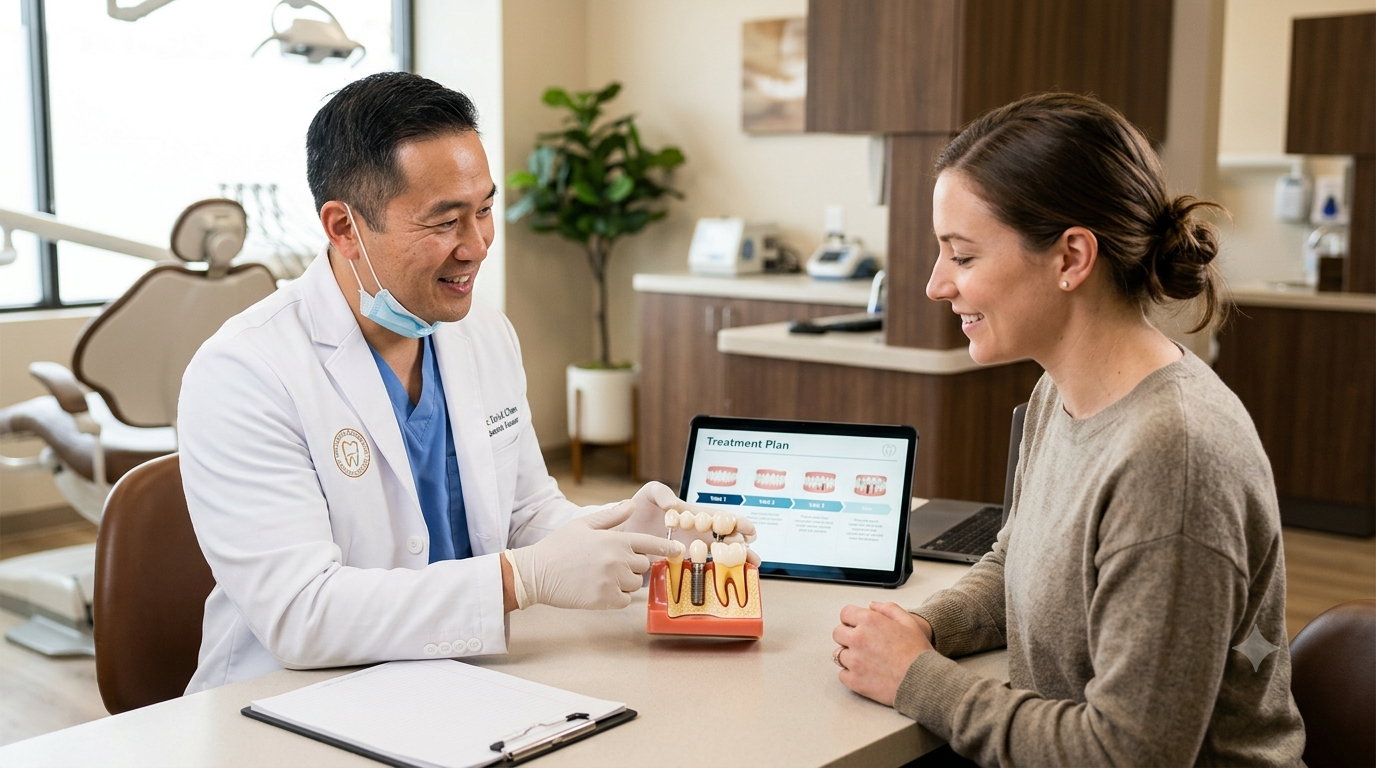
During a consultation, your dentist will evaluate your oral health and determine whether implants are the most appropriate solution for your needs.
In some cases, procedures such as bone grafting may be recommended to create a stronger foundation for implant placement.
What Is the Treatment Process Like?
While every patient is different, dental implant treatment typically involves several stages:
- Comprehensive evaluation and treatment planning
- Implant placement surgery
- Healing and bone integration period
- Placement of the final restoration
Although the process takes time, the long-term benefits often make it a worthwhile investment in oral health and quality of life.
Caring for Dental Implants
Dental implants are designed to be durable and long-lasting, but they still require proper care.
To protect your implants:
- Brush twice daily
- Floss regularly
- Attend routine dental checkups
- Avoid tobacco products
- Follow your dentist’s maintenance recommendations
Good oral hygiene plays a critical role in the long-term success of implant treatment.
Dental implants do much more than fill gaps in your smile—they help restore essential oral functions such as chewing, speaking, and maintaining jawbone health. By closely replicating the structure and function of natural teeth, implants provide a stable, long-term solution for tooth loss.
If you’re missing one or more teeth and want to improve both your smile and your quality of life, a dental implant consultation can help determine whether this advanced treatment option is right for you. Restoring oral function today can help support a healthier, more confident future.