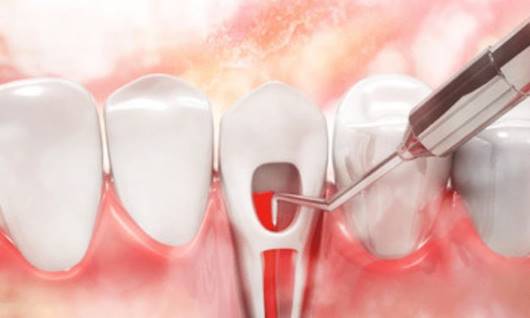
Tooth pain can be more than just an annoyance—it may be a signal that something more serious is going on beneath the surface. One of the most common procedures used to treat severe tooth decay or infection is root canal treatment. While many people fear the words “root canal,” the procedure itself is safe, highly effective, and often the best way to save your natural tooth.
In this article, we’ll explain what root canal treatment involves, when it’s necessary, and how it can relieve pain and restore oral health.
What is Root Canal Treatment?
Root canal treatment—also known as endodontic therapy—is a dental procedure that removes infected or damaged pulp (the soft tissue inside your tooth), cleans the root canals, and seals the tooth to prevent future infections.
Each tooth contains:
- Enamel: The outer, protective shell
- Dentin: A supportive layer beneath the enamel
- Pulp: The innermost chamber containing nerves, blood vessels, and connective tissue
When the pulp becomes infected or inflamed due to decay, trauma, or repeated dental work, a root canal is often required to save the tooth.
When Do You Need a Root Canal?
You may need a root canal if you’re experiencing any of the following symptoms:
- Persistent Tooth Pain
This is the most common and clear sign. The pain may:
- Throb continuously
- Worsen when chewing
- Radiate to the jaw or ear
- Sensitivity to Hot and Cold
If your tooth aches after drinking hot coffee or cold water—and the sensitivity lingers—it could indicate nerve damage inside the tooth.
- Swollen or Tender Gums
Swelling near a specific tooth, sometimes accompanied by a small bump (abscess), may indicate an infection spreading beyond the root.
- Tooth Discoloration
A darkening or grayish tone in a tooth can be a sign that the pulp is damaged or dying.
- Loose Tooth
If an adult tooth feels loose and you’re experiencing pain, it may be due to nerve infection weakening the surrounding bone structure.
Is a Root Canal Painful? Debunking the Common Fears
What Causes Pulp Damage?
There are several factors that can damage the pulp and lead to the need for a root canal:
- Deep decay or large cavities
- Cracks or chips in the tooth
- Repeated dental procedures on the same tooth
- Injury or trauma (even without visible cracks)
How is a Root Canal Performed?
Root canal procedures are performed by a general dentist or an endodontist. Here’s what to expect:
Step-by-Step Process:
- Examination and X-ray
- The dentist evaluates the tooth and takes X-rays to assess damage and shape of the root canals.
- Anesthesia
- Local anesthesia is administered to numb the area completely. Despite common misconceptions, the procedure is typically no more painful than getting a filling.
- Pulp Removal
- An opening is made in the crown of the tooth, and the infected pulp is removed.
- Cleaning and Shaping
- The root canals are thoroughly cleaned, disinfected, and shaped using fine dental instruments.
- Filling the Canals
- The canals are sealed with a biocompatible material (usually gutta-percha) to prevent reinfection.
- Restoring the Tooth
- A temporary or permanent filling is placed. In most cases, a crown is recommended for added strength and protection.
Recovery and Aftercare
Recovery is typically quick and uneventful. Most patients can return to work or school the next day.
Aftercare Tips:
- Take prescribed or over-the-counter pain relievers as directed
- Avoid chewing on the treated tooth until a crown is placed
- Maintain good oral hygiene to prevent future infections
Root Canal vs. Tooth Extraction
Many patients wonder if it’s better to just remove the tooth instead. Here’s how they compare:
| Root Canal |
Tooth Extraction |
| Preserves natural tooth |
Requires replacement (implant, bridge, etc.) |
| Maintains jawbone structure |
Bone loss can occur over time |
| Faster recovery |
Longer treatment plan for replacements |
Bottom line: If the tooth can be saved, a root canal is usually the better option both functionally and financially in the long run.
Conclusion: Don’t Ignore the Signs
Root canal treatment is a safe, proven, and often pain-relieving procedure that can save a severely damaged or infected tooth. If you’re experiencing persistent tooth pain, swelling, or sensitivity, don’t wait—early intervention can prevent more serious complications.