When a tooth becomes weak, cracked, or severely decayed, a dental crown is often the best solution to restore its strength and appearance. Crowns act like protective caps placed over your natural teeth to bring back both function and aesthetics. But with several crown materials available today—porcelain, zirconia, metal, ceramic, and more—it can be challenging to decide which type is best for you.
In this article, we’ll explain each dental crown type, their pros and cons, and how to choose the right one based on your dental needs and budget.
What Is a Dental Crown?
A dental crown is a custom-made restoration that covers a damaged or weakened tooth. It’s designed to mimic the size, shape, and color of your natural teeth, providing both protection and cosmetic improvement. Dentists often recommend crowns after a root canal, large filling, or when a tooth is fractured.
Crowns are also used to:
- Restore a broken or severely worn-down tooth
- Support a dental bridge
- Cover a dental implant
- Improve the appearance of discolored or misshapen teeth
The material of your crown plays a major role in how it looks, feels, and lasts.
Porcelain Crowns
Porcelain crowns are one of the most popular choices for restoring front teeth because of their natural look. They are made entirely from high-quality ceramic material that closely resembles real tooth enamel.
Advantages of Porcelain Crowns
- Excellent aesthetic appeal and translucency
- Color can be matched to surrounding teeth
- Metal-free and biocompatible (great for people with metal allergies)
- Ideal for front teeth where appearance matters most
Disadvantages
- Slightly less durable than metal-based crowns
- Can chip or crack under heavy bite pressure
- More expensive compared to metal crowns
Porcelain crowns are the perfect option for patients who value a beautiful, natural smile and need to restore visible teeth.
Zirconia Crowns
Zirconia is a type of advanced ceramic that offers exceptional strength and durability. It has gained popularity because it combines aesthetics with toughness.
Advantages of Zirconia Crowns
- Extremely strong and resistant to wear
- Can withstand heavy chewing forces
- Long-lasting and durable (often over 10–15 years)
- Metal-free, reducing the risk of allergic reactions
- Can be color-matched for a natural appearance
Disadvantages
- Slightly opaque compared to porcelain (less translucent)
- May cause wear on the opposing natural teeth if not polished properly
- Typically more expensive than porcelain crowns
Zirconia crowns are ideal for both front and back teeth, especially for patients seeking a long-term, metal-free solution.
Metal Crowns
Metal crowns are made from alloys such as gold, platinum, or base metals like nickel or chromium. While they don’t look natural, their strength and durability are unmatched.
Advantages of Metal Crowns
- Highly durable and resistant to chipping or breaking
- Require minimal removal of the natural tooth
- Can last for decades with proper care
- Excellent for molars and teeth that bear heavy chewing pressure
Disadvantages
- Metallic color doesn’t blend with natural teeth
- Some patients may have metal allergies
- Not ideal for visible front teeth
If appearance isn’t your top priority and you want maximum longevity, metal crowns are a reliable option, particularly for back teeth.
Porcelain-Fused-to-Metal (PFM) Crowns
These crowns combine the strength of metal with the beauty of porcelain. The metal base ensures durability, while the outer porcelain layer provides a natural look.
Advantages of PFM Crowns
- Strong and long-lasting
- More natural-looking than pure metal crowns
- Suitable for both front and back teeth
- Cost-effective compared to all-ceramic crowns
Disadvantages
- The porcelain layer can chip or wear over time
- Metal beneath may show as a dark line at the gum line
- Can cause mild gum irritation in some cases
PFM crowns are a balanced choice for patients seeking both strength and aesthetics without the high cost of zirconia or all-ceramic options.
All-Ceramic Crowns
All-ceramic crowns are similar to porcelain ones but use newer ceramic materials that are stronger and more versatile. They’re excellent for people who prefer a completely metal-free restoration.
Advantages of All-Ceramic Crowns
- Highly aesthetic with excellent color matching
- Metal-free and hypoallergenic
- Suitable for people with sensitive gums
- Can be used for both front and back teeth depending on material
Disadvantages
- Not as strong as metal or zirconia crowns
- May wear down over time with heavy biting forces
- Slightly more expensive than traditional porcelain
These crowns are a favorite among patients who want a completely natural look without any risk of metal showing through.
Resin Crowns
Resin crowns are made from composite materials similar to those used in fillings. They are typically used as temporary solutions rather than permanent restorations.
Advantages of Resin Crowns
- Affordable option
- Can be made quickly for temporary use
- Matches tooth color fairly well
Disadvantages
- Less durable and prone to chipping
- Wear down faster than other materials
- Stains more easily over time
Resin crowns are a good short-term choice or a budget-friendly option, but not ideal for long-term durability.
How to Choose the Right Dental Crown
Choosing the right crown depends on several factors:
- Tooth location: Front teeth benefit from aesthetic materials like porcelain or ceramic, while back teeth need durable materials like zirconia or metal.
- Budget: Metal and PFM crowns are more affordable, while zirconia and all-ceramic crowns cost more.
- Allergies and sensitivity: Metal-free options like zirconia or porcelain are best for sensitive patients.
- Aesthetic goals: If you want your restoration to blend perfectly with natural teeth, choose all-ceramic or porcelain crowns.
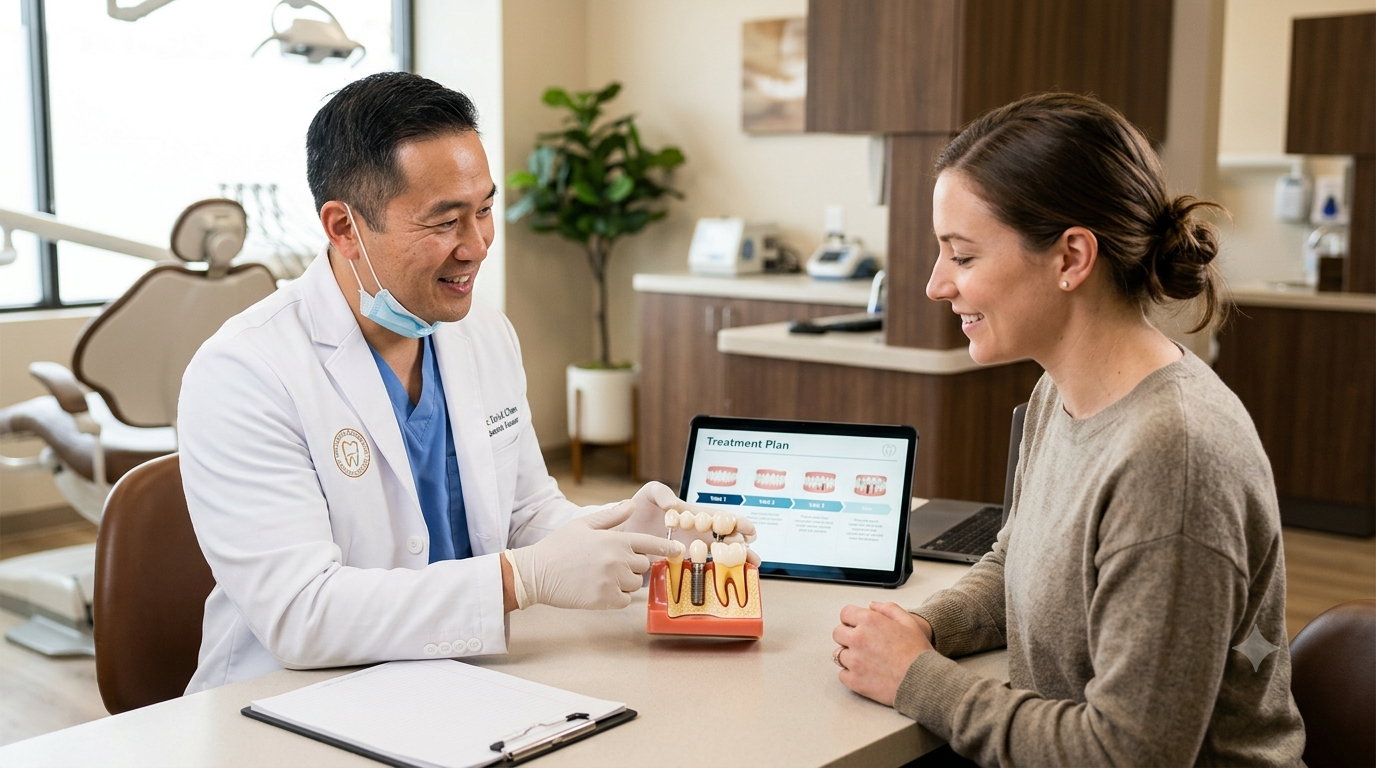
Your dentist will evaluate your oral condition and discuss the most suitable material for your lifestyle and dental needs.
Caring for Your Dental Crown
To make your dental crown last for years, follow these care tips:
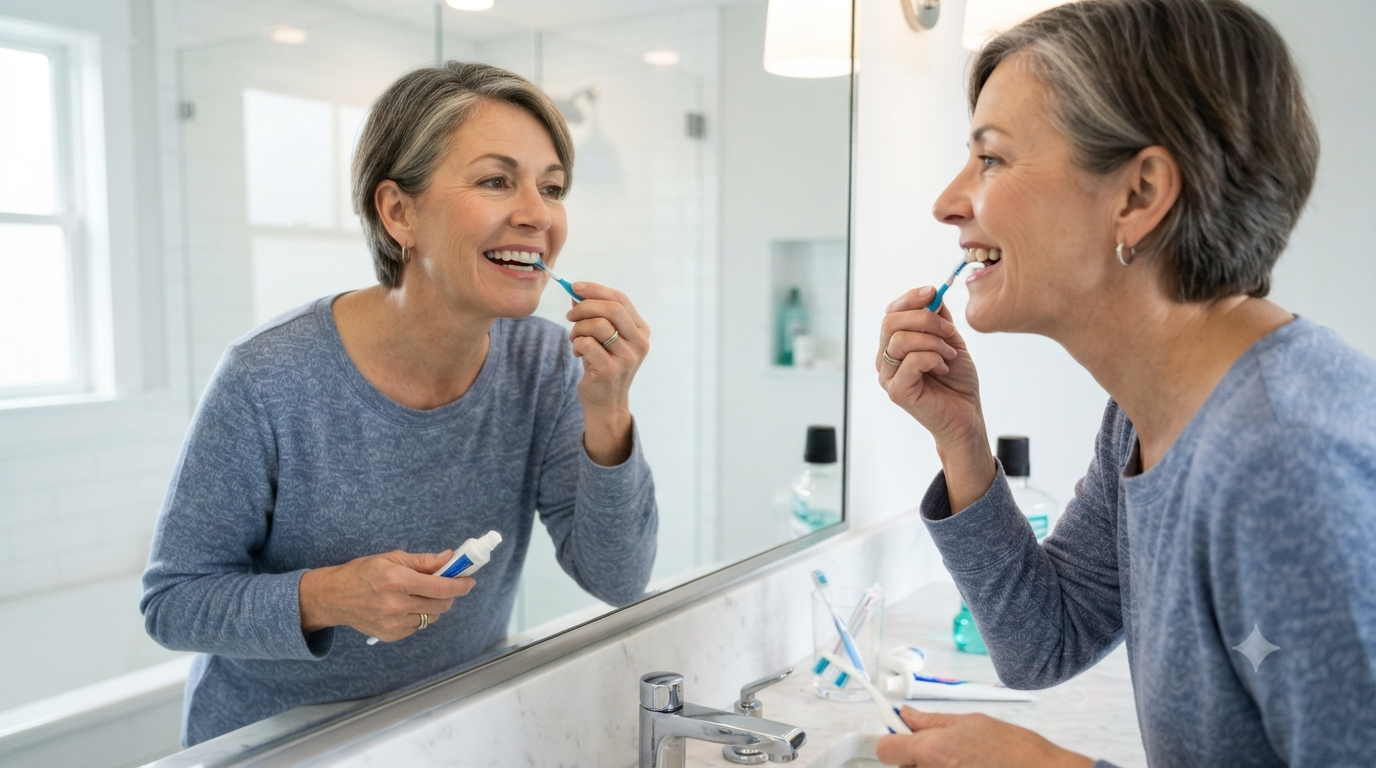
- Brush and floss daily to prevent decay and gum issues around the crown
- Avoid biting hard foods like ice or nuts
- Visit your dentist regularly for check-ups and cleanings
- Use a night guard if you grind your teeth while sleeping
Proper maintenance can help your crown last anywhere between 10 to 20 years or more.
Final Thoughts
Dental crowns are a powerful solution to restore your smile, protect damaged teeth, and enhance your confidence. Whether you choose porcelain for beauty, zirconia for strength, or metal for durability, your dentist can help you find the perfect balance between function and aesthetics.
A beautiful, strong smile starts with the right crown choice—so consult your dentist today to find the best dental crown for your needs.