Dental veneers can transform your smile—instantly improving the shape, color, and alignment of your teeth. Whether you’ve chosen porcelain veneers or composite resin, proper veneer aftercare is essential to preserve your results and maintain oral health. While veneers are strong and stain-resistant, they still require daily attention.
In this guide, we’ll walk you through how to care for your dental veneers with brushing, flossing, and tips on foods to avoid to make your new smile last longer.
Why Veneer Aftercare Matters
Although veneers are durable, they aren’t invincible. Proper care helps:
- Prolong the lifespan of your veneers (which can last 10–15 years with good care)
- Prevent staining or discoloration
- Protect your natural teeth and gum health
- Avoid expensive repairs or replacements
Whether you’ve had just one tooth treated or a full smile makeover, following these best practices ensures your investment pays off for years.
Brushing With Veneers: Best Practices
Just because veneers cover your natural teeth doesn’t mean you can skip brushing. In fact, maintaining good oral hygiene is more important than ever to prevent gum disease, decay around the veneer edges, and stains on surrounding teeth.
✅ Use a Soft-Bristled Toothbrush
Hard bristles can damage the polish on your veneers and irritate your gums. Choose a soft-bristled manual or electric toothbrush and brush gently twice a day.
✅ Use Non-Abrasive Toothpaste
Avoid whitening toothpaste or gritty formulas, which may wear down the veneer surface over time. Look for toothpaste designed for veneers or sensitive teeth, as they are less abrasive and safe for porcelain or composite materials.
✅ Brush for 2 Minutes
Make sure you spend at least two minutes brushing, focusing not only on your veneers but your entire mouth—especially around the gum line.
Flossing With Veneers: How to Do It Right
Flossing daily is essential, even if you have veneers on all your front teeth. Veneers don’t protect the spaces between your teeth from plaque and bacteria.
✅ Use Gentle Flossing Technique
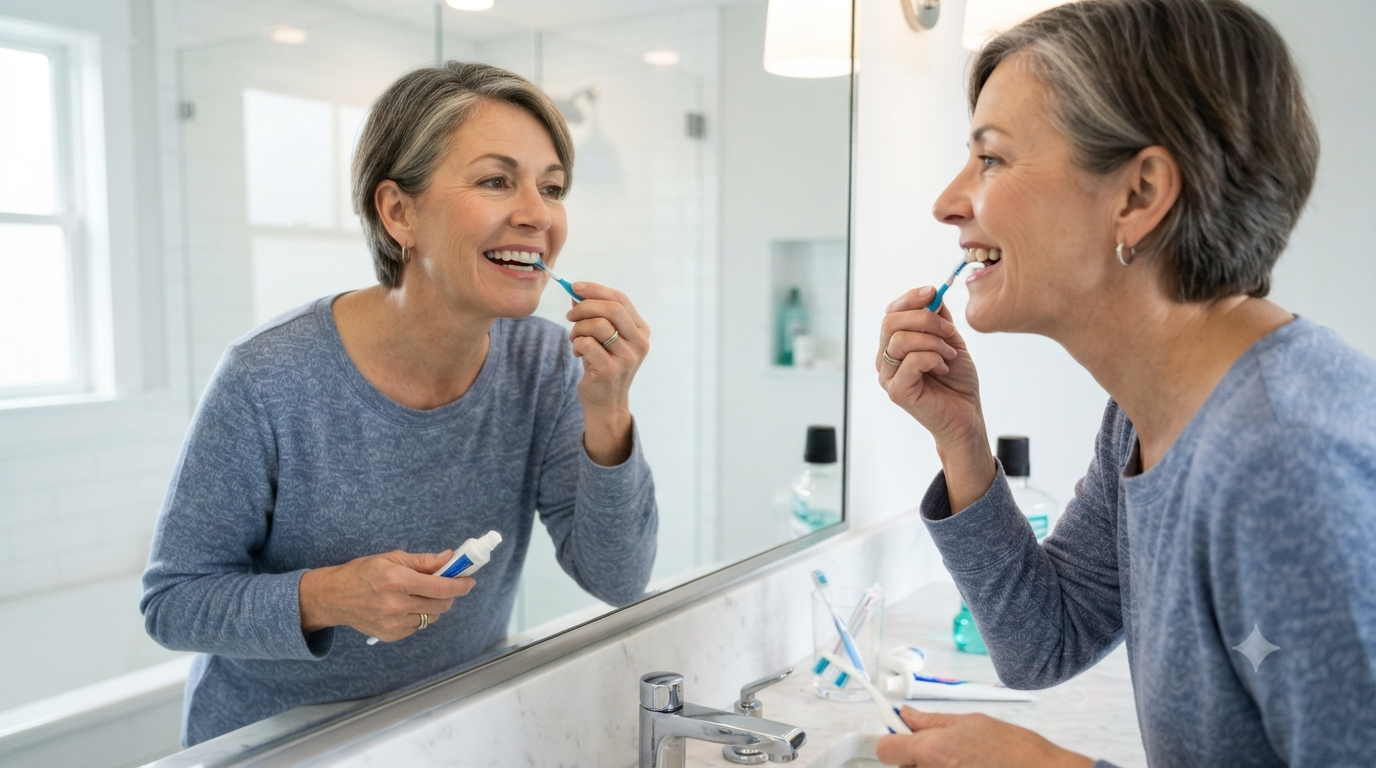
Floss carefully to avoid pulling on the veneer margins. Insert the floss gently between your teeth, slide it down, and curve it into a “C” shape against the tooth surface. Avoid snapping the floss in and out.
✅ Consider a Water Flosser
A water flosser (like a Waterpik) can be a great alternative, especially if you find traditional flossing difficult. It’s gentle on veneers and effective in removing plaque from tight areas.
Foods to Avoid With Dental Veneers
One of the most common questions after getting veneers is: “What foods should I avoid?”
While veneers are stain-resistant and quite strong, they can still chip, crack, or become discolored if not properly cared for.
🚫 Hard Foods
Biting down on very hard foods can cause veneers to crack or loosen. Avoid:
- Ice cubes
- Hard candy
- Raw carrots or apples (cut them into small pieces instead)
- Nuts (especially unchopped almonds or pecans)
🚫 Sticky or Chewy Foods
Sticky foods can pull at veneers or damage the bonding over time:
- Caramel, taffy, or chewing gum
- Toffee and sticky granola bars
- Gummy candies
🚫 Foods That Can Stain Over Time
Although porcelain veneers resist staining, natural teeth do not. This can create uneven coloration. Be cautious with:
- Coffee and black tea
- Red wine
- Dark berries (like blueberries or blackberries)
- Soy sauce, curry, and tomato-based sauces
If you enjoy these foods or drinks, rinse your mouth with water after consumption and brush 30 minutes later.
Additional Tips to Protect Your Veneers
🦷 Wear a Night Guard (if you grind)
If you suffer from bruxism (teeth grinding), ask your dentist about a custom night guard. Grinding can wear down or crack veneers over time.
🏀 Use a Mouthguard During Sports
If you play contact sports or activities like basketball, football, or martial arts, a mouthguard is essential. It protects both your veneers and natural teeth from impact.
🪥 Schedule Regular Dental Checkups
Visit your dentist every 6 months for cleanings and exams. Your dental team will check the integrity of your veneers, remove any plaque, and ensure your gums remain healthy.
What Happens If You Don’t Care for Your Veneers?
Neglecting proper veneer aftercare can lead to:
- Gum inflammation or recession
- Tooth decay at the edges of veneers
- Veneers loosening or falling off
- Discoloration and poor smile aesthetics
- Costly repairs or full replacement
Remember, while veneers are cosmetic, the teeth underneath are still susceptible to decay and disease. Veneer aftercare is as important as your initial procedure.
Long-Term Success Starts With Daily Habits
Getting veneers is just the beginning of your smile journey. The way you care for them afterward determines how long they’ll last and how healthy your mouth will remain.
To recap:
- Brush twice a day with a soft-bristled brush and non-abrasive toothpaste
- Floss daily using gentle technique or a water flosser
- Avoid hard, sticky, and staining foods
- Protect your veneers with a night guard or mouthguard when necessary
- See your dentist regularly for checkups and maintenance
By making these small efforts every day, you’ll keep your veneers bright, strong, and beautiful for many years.