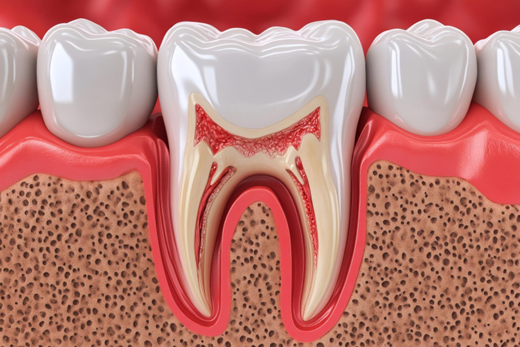
Periodontitis, commonly known as gum disease, is a severe infection that damages the soft tissue and bone supporting the teeth. If left untreated, it can lead to tooth loss and other serious health complications. Understanding its causes is essential for prevention and maintaining optimal oral health.
What is Periodontitis?
Periodontitis is an advanced stage of gum disease that results from prolonged inflammation and bacterial infection in the gums. It typically starts as gingivitis, a mild form of gum disease, before progressing into a more serious condition that affects the surrounding bone structure.
Common Causes of Periodontitis
- Poor Oral Hygiene
Neglecting regular brushing and flossing allows plaque to accumulate on the teeth and gums. Over time, plaque hardens into tartar, which harbors harmful bacteria, leading to gum inflammation and periodontal disease.
- Smoking and Tobacco Use
Smoking and the use of tobacco products weaken the immune system, making it harder for the body to fight infections, including gum disease. Smokers are at a significantly higher risk of developing periodontitis compared to non-smokers.
- Genetic Factors
Some individuals are genetically predisposed to periodontal disease. Even with good oral hygiene, they may still develop gum problems due to their genetic makeup.
- Poor Diet and Nutrition
A diet lacking in essential nutrients, particularly vitamin C, can compromise gum health. Sugary and processed foods contribute to plaque buildup, increasing the risk of gum disease.
- Underlying Health Conditions
Certain systemic diseases, such as diabetes, heart disease, and immune disorders, can contribute to gum disease. People with diabetes, in particular, are more susceptible due to their body’s impaired ability to heal infections.
- Hormonal Changes
Fluctuations in hormone levels, such as those experienced during pregnancy, menstruation, or menopause, can make gums more sensitive and prone to inflammation, increasing the risk of periodontal disease.
- Stress
Chronic stress weakens the immune system and reduces the body’s ability to fight off infections, including those affecting the gums.
- Clenching or Grinding Teeth (Bruxism)
Excessive teeth grinding or jaw clenching can put extra pressure on the supporting tissues of the teeth, accelerating the progression of gum disease.
Signs and Symptoms of Periodontal Disease
- Persistent bad breath (halitosis)
- Red, swollen, or bleeding gums
- Gum recession (gums pulling away from teeth)
- Loose or shifting teeth
- Pain while chewing
- Pus between teeth and gums
How to Prevent Periodontitis
- Practice Good Oral Hygiene: Brush twice a day, floss daily, and use an antibacterial mouthwash.
- Regular Dental Checkups: Visit a dentist every six months for cleanings and early detection of gum disease.
- Avoid Smoking and Tobacco: Quitting smoking significantly reduces the risk of gum disease.
- Eat a Healthy Diet: Incorporate fruits, vegetables, and foods rich in vitamins to support gum health.
- Manage Health Conditions: If you have diabetes or other systemic diseases, keep them under control to minimize the risk of gum disease.
Conclusion
Periodontitis is a preventable but serious condition that affects oral and overall health. By understanding its causes and taking proactive steps to maintain good oral hygiene, you can significantly reduce the risk of gum disease and enjoy a healthy smile for years to come. If you experience any symptoms, consult a dental professional immediately for early intervention and treatment.