Advanced Dental Care in Flower Mound: What Sets Flomo Dental Apart

When it comes to maintaining your oral health, finding the right dentist in Flower Mound, TX can make all the difference. At Flomo Dental, we combine cutting-edge technology, a compassionate approach, and comprehensive dental care services to provide an exceptional experience for every patient. Whether you need routine checkups, cosmetic treatments, or advanced restorative procedures, Flomo Dental is committed to keeping your smile healthy, bright, and confident.

Why Advanced Dental Care Matters

Modern dentistry is more than just cleanings and fillings. Advanced dental care focuses on prevention, early detection, and innovative treatments that ensure long-term oral health. Patients in Flower Mound benefit from dentists who are not only skilled in traditional practices but also proficient in state-of-the-art techniques such as:

  • Digital X-rays for accurate diagnosis with minimal radiation exposure
  • Intraoral cameras for detailed visualization of dental issues
  • Cosmetic and restorative solutions, including veneers, crowns, and implants

By choosing a dental clinic that prioritizes advanced care, you’re investing in the health, function, and aesthetics of your teeth for years to come.

What Sets Flomo Dental Apart

Flomo Dental is more than a standard dentist’s office. Here’s what makes us unique:

  1. Personalized Patient Care

Every patient is unique, and so is their oral health. At Flomo Dental, we take time to understand your needs, concerns, and goals. Our dentists develop customized treatment plans that prioritize both your comfort and dental health.

  1. Comprehensive Dental Services

From preventive care to complex procedures, Flomo Dental provides a wide range of dental services under one roof:

  • Preventive Dental Care – Routine exams, cleanings, fluoride treatments, and oral cancer screenings
  • Cosmetic Dentistry – Teeth whitening, veneers, and smile makeovers
  • Restorative Dentistry – Crowns, bridges, and dental implants
  • Orthodontics – Clear aligners and braces for children and adults
  • Emergency Dental Care – Quick, effective treatment for dental injuries or severe tooth pain 
  1. Advanced Technology

Flomo Dental stays ahead by integrating the latest dental technology, which allows for more accurate diagnoses, less discomfort, and faster recovery times. Tools like digital imaging and laser dentistry ensure patients receive the most efficient and effective care possible.

  1. Comfortable and Relaxing Environment

Visiting the dentist doesn’t have to be stressful. Our office in Flower Mound is designed to make every patient feel at ease, with calming interiors, patient-focused amenities, and a friendly, caring team ready to answer your questions.

  1. Community-Focused Approach

We’re proud to serve the Flower Mound community, and our team is dedicated to educating patients about oral hygiene, preventive care, and ways to maintain a healthy smile at home.

Benefits of Choosing Flomo Dental

Patients who choose Flomo Dental in Flower Mound, TX enjoy numerous benefits:

  • Healthier Teeth and Gums – Preventive and restorative treatments reduce the risk of cavities, gum disease, and other oral health issues.
  • Enhanced Confidence – Cosmetic procedures can improve the appearance of your smile, boosting self-esteem.
  • Time and Convenience – Comprehensive dental services in one location save patients multiple trips and reduce scheduling stress.
  • Expert Guidance – Knowledgeable dentists provide guidance on oral health best practices, dietary recommendations, and at-home care tips.

Patient Education: The Key to a Healthy Smile

Flomo Dental emphasizes patient education because a well-informed patient is an empowered patient. Our dentists in Flower Mound work closely with patients to:

  • Explain the purpose and benefits of recommended procedures
  • Provide step-by-step guidance for maintaining oral hygiene at home
  • Address concerns about dental anxiety, treatment options, and long-term care

By understanding your dental health, you’re better equipped to make informed decisions and maintain a healthy smile for life.

How to Make the Most of Your Visit

To ensure every appointment is effective, patients can take a few simple steps:

  • Bring Your Medical History – Inform your dentist of any medications or health conditions.
  • Prepare Questions – Write down concerns or questions about your oral health.
  • Follow Post-Treatment Instructions – Proper care after procedures is essential for optimal results.
  • Schedule Regular Visits – Consistent checkups prevent issues from developing and maintain your dental health.

Take the First Step Towards Advanced Dental Care

Whether you need a routine cleaning, cosmetic enhancement, or complex restorative work, Flomo Dental is your trusted partner in Flower Mound, TX. Our patient-centered approach, advanced technology, and comprehensive services make us stand out from other dental practices in the area.

Don’t wait to prioritize your oral health. Schedule your appointment with Flomo Dental today and experience advanced dental care designed for your smile!

📞 Call now or book online to start your journey to a healthier, brighter smile.

Dental Veneer Aftercare: Brushing, Flossing & Foods to Avoid

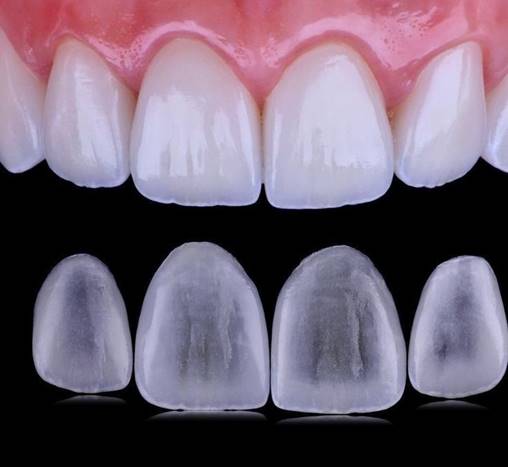
Dental veneers can transform your smile—instantly improving the shape, color, and alignment of your teeth. Whether you’ve chosen porcelain veneers or composite resin, proper veneer aftercare is essential to preserve your results and maintain oral health. While veneers are strong and stain-resistant, they still require daily attention.

In this guide, we’ll walk you through how to care for your dental veneers with brushing, flossing, and tips on foods to avoid to make your new smile last longer.

Why Veneer Aftercare Matters

Although veneers are durable, they aren’t invincible. Proper care helps:

  • Prolong the lifespan of your veneers (which can last 10–15 years with good care)
  • Prevent staining or discoloration
  • Protect your natural teeth and gum health
  • Avoid expensive repairs or replacements

Whether you’ve had just one tooth treated or a full smile makeover, following these best practices ensures your investment pays off for years.

Brushing With Veneers: Best Practices

Just because veneers cover your natural teeth doesn’t mean you can skip brushing. In fact, maintaining good oral hygiene is more important than ever to prevent gum disease, decay around the veneer edges, and stains on surrounding teeth.

✅ Use a Soft-Bristled Toothbrush

Hard bristles can damage the polish on your veneers and irritate your gums. Choose a soft-bristled manual or electric toothbrush and brush gently twice a day.

✅ Use Non-Abrasive Toothpaste

Avoid whitening toothpaste or gritty formulas, which may wear down the veneer surface over time. Look for toothpaste designed for veneers or sensitive teeth, as they are less abrasive and safe for porcelain or composite materials.

✅ Brush for 2 Minutes

Make sure you spend at least two minutes brushing, focusing not only on your veneers but your entire mouth—especially around the gum line.

Flossing With Veneers: How to Do It Right

Flossing daily is essential, even if you have veneers on all your front teeth. Veneers don’t protect the spaces between your teeth from plaque and bacteria.

✅ Use Gentle Flossing Technique

Floss carefully to avoid pulling on the veneer margins. Insert the floss gently between your teeth, slide it down, and curve it into a “C” shape against the tooth surface. Avoid snapping the floss in and out.

✅ Consider a Water Flosser

A water flosser (like a Waterpik) can be a great alternative, especially if you find traditional flossing difficult. It’s gentle on veneers and effective in removing plaque from tight areas.

Foods to Avoid With Dental Veneers

One of the most common questions after getting veneers is: What foods should I avoid?”

While veneers are stain-resistant and quite strong, they can still chip, crack, or become discolored if not properly cared for.

🚫 Hard Foods

Biting down on very hard foods can cause veneers to crack or loosen. Avoid:

  • Ice cubes
  • Hard candy
  • Raw carrots or apples (cut them into small pieces instead)
  • Nuts (especially unchopped almonds or pecans)

🚫 Sticky or Chewy Foods

Sticky foods can pull at veneers or damage the bonding over time:

  • Caramel, taffy, or chewing gum
  • Toffee and sticky granola bars
  • Gummy candies

🚫 Foods That Can Stain Over Time

Although porcelain veneers resist staining, natural teeth do not. This can create uneven coloration. Be cautious with:

  • Coffee and black tea
  • Red wine
  • Dark berries (like blueberries or blackberries)
  • Soy sauce, curry, and tomato-based sauces

If you enjoy these foods or drinks, rinse your mouth with water after consumption and brush 30 minutes later.

Additional Tips to Protect Your Veneers

🦷 Wear a Night Guard (if you grind)

If you suffer from bruxism (teeth grinding), ask your dentist about a custom night guard. Grinding can wear down or crack veneers over time.

🏀 Use a Mouthguard During Sports

If you play contact sports or activities like basketball, football, or martial arts, a mouthguard is essential. It protects both your veneers and natural teeth from impact.

🪥 Schedule Regular Dental Checkups

Visit your dentist every 6 months for cleanings and exams. Your dental team will check the integrity of your veneers, remove any plaque, and ensure your gums remain healthy.

What Happens If You Don’t Care for Your Veneers?

Neglecting proper veneer aftercare can lead to:

  • Gum inflammation or recession
  • Tooth decay at the edges of veneers
  • Veneers loosening or falling off
  • Discoloration and poor smile aesthetics
  • Costly repairs or full replacement

Remember, while veneers are cosmetic, the teeth underneath are still susceptible to decay and disease. Veneer aftercare is as important as your initial procedure.

Long-Term Success Starts With Daily Habits

Getting veneers is just the beginning of your smile journey. The way you care for them afterward determines how long they’ll last and how healthy your mouth will remain.

To recap:

  • Brush twice a day with a soft-bristled brush and non-abrasive toothpaste
  • Floss daily using gentle technique or a water flosser
  • Avoid hard, sticky, and staining foods
  • Protect your veneers with a night guard or mouthguard when necessary
  • See your dentist regularly for checkups and maintenance

By making these small efforts every day, you’ll keep your veneers bright, strong, and beautiful for many years.

5 Early Signs You Might Need Dentures (and When to See a Dentist)

The idea of needing dentures might seem far off, especially if you’re still relatively young or haven’t experienced significant dental issues. However, many adults begin to show signs of tooth damage or loss earlier than expected — and addressing those signs promptly can make a major difference in oral health, comfort, and quality of life.

In this blog, we’ll cover the five early warning signs that you might need dentures, why early detection is important, and when to consult a dentist for professional advice.

What Are Dentures?

Dentures are removable appliances used to replace missing teeth and restore the function and appearance of your smile. Depending on your dental condition, you may require partial dentures (replacing a few teeth) or full dentures (replacing all teeth on the upper or lower jaw).

Today’s modern dentures are more comfortable, natural-looking, and functional than ever before — making them an excellent solution for those experiencing tooth loss or decay.

Why It’s Important to Watch for the Signs

Missing or severely damaged teeth don’t just affect how you look — they can impact your speech, ability to chew, facial structure, and even self-esteem. By recognizing early signs and acting quickly, you can avoid unnecessary pain, prevent further tooth loss, and maintain a better quality of life.

  1. Chronic Tooth Pain or Decay

Persistent toothaches or extreme sensitivity to hot, cold, or sweet foods may be a sign of advanced tooth decay. If several teeth are affected or are too damaged to be restored with fillings, crowns, or root canals, extraction followed by dentures might be the best option.

What to look out for:

  • Tooth pain that doesn’t go away
  • Dark spots or holes in multiple teeth
  • Teeth that are crumbling or breaking easily

When decay becomes widespread, dentures provide a way to restore function and aesthetics without the risk of further infection.

  1. Gum Disease and Loose Teeth

Periodontal (gum) disease is a major cause of adult tooth loss. In its advanced stage, it can damage the tissue and bone supporting your teeth, causing them to loosen or fall out. If your teeth feel mobile or you notice gaps forming, dentures may be necessary.

Symptoms to watch for:

  • Red, swollen, or bleeding gums
  • Gums pulling away from teeth (gum recession)
  • Persistent bad breath
  • Shifting or loose teeth

A dentist can assess the extent of the damage and recommend whether partial or full dentures are needed to restore your oral health.

  1. Difficulty Chewing or Speaking

If eating has become uncomfortable, or you find yourself avoiding certain foods due to pain or missing teeth, it’s a strong indication that your teeth aren’t functioning properly. Difficulty chewing can also lead to digestive issues and nutritional deficiencies over time.

Similarly, missing teeth can affect your speech, making it difficult to pronounce words clearly or causing you to slur. Dentures can restore proper alignment and function, improving both eating and speaking.

  1. Multiple Missing Teeth

Losing one or two teeth may not seem like a major concern at first, but missing several teeth can affect your entire bite. Over time, this imbalance can lead to jaw pain, bone loss, shifting of remaining teeth, and even facial sagging.

If you have multiple gaps in your smile, partial or full dentures can help restore harmony to your bite and appearance.

Signs to take seriously:

  • Teeth shifting or drifting
  • Difficulty biting into foods like apples or meat
  • Over-reliance on one side of your mouth

Addressing these problems early with dentures can prevent further complications and maintain the structure of your face.

  1. Changes in Facial Appearance

Your teeth provide support for your facial muscles. When several teeth are lost, your face may begin to sag or look sunken, making you appear older than you are. If you’ve noticed changes in your facial structure, especially in the lower half of your face, it could be due to lost tooth support.

Dentures not only restore the function of your mouth but also help maintain your natural facial shape, giving you a more youthful appearance.

When to See a Dentist

If you’re experiencing any of the signs mentioned above, it’s time to schedule a dental evaluation. Your dentist will perform a thorough exam, take x-rays if needed, and discuss the best options for your situation. In many cases, early intervention may allow for alternative treatments like crowns, bridges, or implants — but if damage is extensive, dentures may be the most effective and affordable solution.

Don’t wait if you experience:

  • Consistent tooth pain
  • Bleeding or swollen gums
  • Difficulty eating or speaking
  • Loose or missing teeth
  • Changes in your facial profile

The Process of Getting Dentures: What to Expect from Start to Finish

Modern Dentures: Comfortable, Natural, and Life-Changing

Thanks to advances in dental technology, today’s dentures are more lightweight, natural-looking, and customized for comfort than ever before. Your dentist can create a personalized denture plan that suits your lifestyle, budget, and oral health goals.

Types of dentures include:

  • Full dentures (for complete tooth loss)
  • Partial dentures (for a few missing teeth)
  • Implant-supported dentures (for added stability and bite strength)

Choosing dentures doesn’t mean giving up your smile — it means regaining the ability to smile, eat, and speak with confidence.

Final Thoughts

Tooth loss and decay can sneak up on you, but the good news is that help is available. By recognizing these early signs you might need dentures, you can take action before your oral health declines further.

Whether you’re dealing with chronic dental problems or have already lost multiple teeth, dentures offer a reliable, effective way to restore your smile and quality of life.

Call to Action

If you’re noticing signs of tooth loss or damage, don’t wait for it to get worse. Book a consultation with a trusted dentist today and explore whether dentures are the right solution for your smile.

What is Root Canal Treatment and When Do You Need It?

Tooth pain can be more than just an annoyance—it may be a signal that something more serious is going on beneath the surface. One of the most common procedures used to treat severe tooth decay or infection is root canal treatment. While many people fear the words “root canal,” the procedure itself is safe, highly effective, and often the best way to save your natural tooth.

In this article, we’ll explain what root canal treatment involves, when it’s necessary, and how it can relieve pain and restore oral health.

What is Root Canal Treatment?

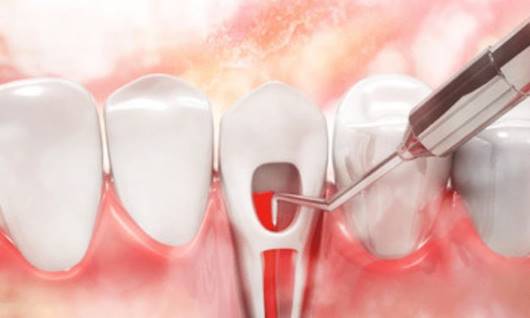
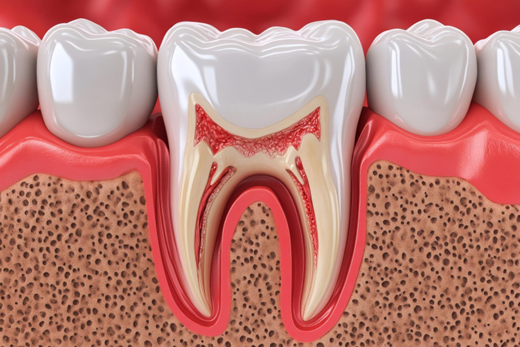
Root canal treatment—also known as endodontic therapy—is a dental procedure that removes infected or damaged pulp (the soft tissue inside your tooth), cleans the root canals, and seals the tooth to prevent future infections.

Each tooth contains:

  • Enamel: The outer, protective shell
  • Dentin: A supportive layer beneath the enamel
  • Pulp: The innermost chamber containing nerves, blood vessels, and connective tissue

When the pulp becomes infected or inflamed due to decay, trauma, or repeated dental work, a root canal is often required to save the tooth.

When Do You Need a Root Canal?

You may need a root canal if you’re experiencing any of the following symptoms:

  1. Persistent Tooth Pain

This is the most common and clear sign. The pain may:

  • Throb continuously
  • Worsen when chewing
  • Radiate to the jaw or ear
  1. Sensitivity to Hot and Cold

If your tooth aches after drinking hot coffee or cold water—and the sensitivity lingers—it could indicate nerve damage inside the tooth.

  1. Swollen or Tender Gums

Swelling near a specific tooth, sometimes accompanied by a small bump (abscess), may indicate an infection spreading beyond the root.

  1. Tooth Discoloration

A darkening or grayish tone in a tooth can be a sign that the pulp is damaged or dying.

  1. Loose Tooth

If an adult tooth feels loose and you’re experiencing pain, it may be due to nerve infection weakening the surrounding bone structure.

Is a Root Canal Painful? Debunking the Common Fears

What Causes Pulp Damage?

There are several factors that can damage the pulp and lead to the need for a root canal:

  • Deep decay or large cavities
  • Cracks or chips in the tooth
  • Repeated dental procedures on the same tooth
  • Injury or trauma (even without visible cracks)

How is a Root Canal Performed?

Root canal procedures are performed by a general dentist or an endodontist. Here’s what to expect:

Step-by-Step Process:

  1. Examination and X-ray
    • The dentist evaluates the tooth and takes X-rays to assess damage and shape of the root canals.
  2. Anesthesia
    • Local anesthesia is administered to numb the area completely. Despite common misconceptions, the procedure is typically no more painful than getting a filling.
  3. Pulp Removal
    • An opening is made in the crown of the tooth, and the infected pulp is removed.
  4. Cleaning and Shaping
    • The root canals are thoroughly cleaned, disinfected, and shaped using fine dental instruments.
  5. Filling the Canals
    • The canals are sealed with a biocompatible material (usually gutta-percha) to prevent reinfection.
  6. Restoring the Tooth
    • A temporary or permanent filling is placed. In most cases, a crown is recommended for added strength and protection.

Recovery and Aftercare

Recovery is typically quick and uneventful. Most patients can return to work or school the next day.

Aftercare Tips:

  • Take prescribed or over-the-counter pain relievers as directed
  • Avoid chewing on the treated tooth until a crown is placed
  • Maintain good oral hygiene to prevent future infections

Root Canal vs. Tooth Extraction

Many patients wonder if it’s better to just remove the tooth instead. Here’s how they compare:

Root Canal Tooth Extraction
Preserves natural tooth Requires replacement (implant, bridge, etc.)
Maintains jawbone structure Bone loss can occur over time
Faster recovery Longer treatment plan for replacements

Bottom line: If the tooth can be saved, a root canal is usually the better option both functionally and financially in the long run.

Conclusion: Don’t Ignore the Signs

Root canal treatment is a safe, proven, and often pain-relieving procedure that can save a severely damaged or infected tooth. If you’re experiencing persistent tooth pain, swelling, or sensitivity, don’t wait—early intervention can prevent more serious complications.

Is It Worth Getting Full Dental Implants?

If you’re missing most or all of your teeth, you’re not alone. Millions of people worldwide face this issue due to age, injury, or oral health conditions. While dentures have long been a go-to solution, full dental implants have become increasingly popular in recent years as a more stable, permanent option.

In this guide, we’ll explore what full dental implants are, their benefits, potential drawbacks, and whether they’re the right solution for you or your loved ones.

What Are Full Dental Implants?

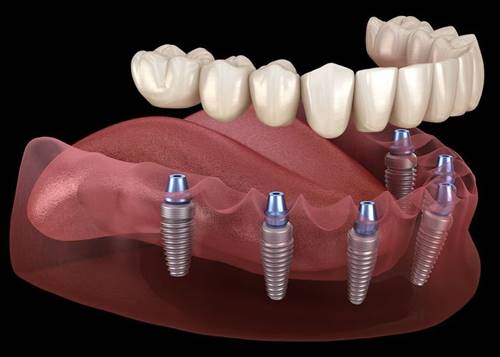
Full dental implants, often referred to as full mouth dental implants or implant-supported dentures, involve placing a series of dental implants into the jawbone to support a complete set of artificial teeth. Typically, 4 to 8 implants per arch (upper or lower jaw) are used to anchor a fixed or removable prosthetic.

Unlike traditional dentures, which sit on the gums, implants are surgically inserted into the jawbone, making them more secure and longer-lasting.

Who Needs Full Dental Implants?

Full dental implants are ideal for individuals who:

  • Have lost most or all of their natural teeth
  • Are frustrated with ill-fitting or uncomfortable dentures
  • Want a permanent solution to restore their smile and oral function
  • Have healthy gums and adequate jawbone (or are eligible for bone grafting)

Advantages of Full Dental Implants

  1. Permanent and Long-Lasting

One of the most compelling reasons to invest in full dental implants is their durability. With proper care, implants can last 15 years or longer, and the prosthetic teeth they support can be maintained or replaced without affecting the implant posts.

  1. Natural Look and Feel

Dental implants look, feel, and function just like natural teeth. They’re custom-designed to match the shape and color of your original teeth, offering a more authentic appearance than traditional dentures.

  1. Improved Chewing and Speaking

Loose or poorly fitted dentures can make it difficult to eat or speak clearly. Full dental implants restore full chewing power and allow you to enjoy all your favorite foods without restrictions.

  1. Bone Preservation

Implants stimulate the jawbone, helping to prevent bone loss—a common problem after tooth loss. This not only maintains your facial structure but also prevents the sunken appearance that can occur with dentures.

  1. Enhanced Confidence and Quality of Life

A complete, healthy smile improves self-esteem, boosts confidence in social situations, and enhances overall well-being. With implants, there’s no need to worry about slippage or adhesives.

Disadvantages to Consider

While the benefits are significant, full dental implants may not be for everyone. Here are a few factors to weigh:

  1. Cost

One of the biggest concerns is the price. Full mouth implants can range from $15,000 to $30,000 or more per arch, depending on materials and procedures involved. However, many clinics offer financing, insurance coordination, and long-term payment plans.

  1. Surgical Procedure

The implant process involves minor oral surgery and a healing period that can last several months. Some patients may require additional procedures like bone grafting or sinus lifts.

  1. Time Investment

From consultation to final placement, getting full dental implants may take 3 to 6 months or longer. This includes time for healing and the integration of implants with the jawbone.

  1. Eligibility

Not everyone is a candidate. Individuals with chronic health conditions (such as uncontrolled diabetes or severe gum disease), or insufficient bone density, may require special care or alternative treatments.

How Do Full Dental Implants Compare to Dentures?

Feature Full Dental Implants Traditional Dentures
Stability Fixed in place, no slipping May slip or cause discomfort
Bone Health Prevents bone loss Does not stimulate jawbone
Appearance Natural and lifelike May appear artificial
Maintenance Similar to natural teeth Requires removal and cleaning
Longevity Can last 15+ years Often replaced every 5–7 years

While dentures are more affordable in the short term, full dental implants provide greater long-term value, improved function, and quality of life.

Is It Worth It? The Final Verdict

Yes—if you are a suitable candidate, full dental implants are absolutely worth the investment.

They offer a permanent, stable, and natural-looking solution for full tooth replacement. Not only do they restore your smile, but they also enhance your ability to eat, speak, and live comfortably. Patients who choose implants often say they feel like they’ve gotten their real teeth back.

That said, it’s essential to speak with a qualified implant dentist to determine if you’re a good candidate. A thorough consultation and 3D imaging can assess bone structure, health conditions, and recommend the best treatment plan for your needs.

What to Expect During the Process

Here’s a quick overview of the full dental implant journey:

  1. Initial Consultation – Examination, X-rays, and treatment planning.
  2. Implant Placement Surgery – Titanium posts are inserted into the jawbone.
  3. Healing Period (Osseointegration) – Bone grows around the implants over several months.
  4. Abutment and Prosthetic Placement – The custom-made teeth are attached.

Final Thoughts

If you’re tired of struggling with removable dentures or living with missing teeth, full dental implants can be life-changing. While the cost and time involved may be significant, the long-term benefits for your health, function, and self-esteem are often well worth it.

Whether you’re in your 40s, 60s, or beyond, it’s never too late to reclaim your smile. Talk to a trusted dental professional about your options and find out if full dental implants are the right choice for you.


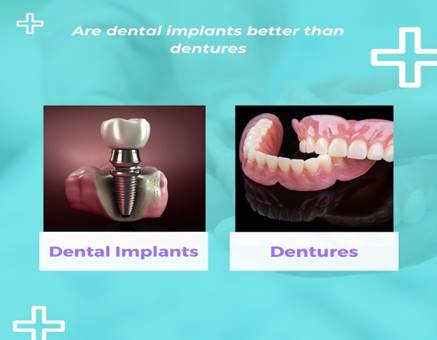
Are Dental Implants Better Than Dentures?

Losing one or more teeth can significantly impact your confidence, ability to eat, and overall oral health. Fortunately, modern dentistry offers two popular solutions: dental implants and dentures. But are dental implants better than dentures?

Whether you’re considering tooth replacement for the first time or looking to upgrade your current dentures, this guide provides a detailed, side-by-side comparison of dental implants vs. dentures, including benefits, drawbacks, costs, expert insights, and long-term considerations.

 Understanding the Basics

What Are Dental Implants?

Dental implants are permanent tooth replacements that involve surgically inserting a titanium post into the jawbone. A crown is then placed on top, creating a natural-looking, fully functional tooth.

  • Mimics a natural tooth root
  • Helps maintain jawbone density
  • Designed to last decades with proper care

 What Are Dentures?

Dentures are removable prosthetic devices designed to replace multiple missing teeth. They rest on the gums and may be full (replacing all teeth) or partial (replacing some teeth).

  • More affordable upfront
  • Can be removed for cleaning
  • Requires adhesive or suction to stay in place

Dental Implants vs. Dentures: Side-by-Side Comparison

Feature Dental Implants Dentures
Longevity 20+ years (often lifelong) 5–10 years (may need adjustments or replacement)
Stability Fixed in place, no shifting May slip or move, especially when eating or talking
Comfort Feels like natural teeth May cause gum irritation or sore spots
Jawbone Health Prevents bone loss by stimulating bone Can lead to bone shrinkage over time
Maintenance Brush and floss like real teeth Must be removed, soaked, and cleaned daily
Appearance Natural, seamless look Can look bulky or artificial
Cost (initial) Higher upfront investment Lower upfront cost
Cost (long-term) Lower (fewer replacements) Higher (due to relines, adjustments, replacements)

 People searching for this topic often want to:

  • Understand the long-term value of each option
  • Avoid embarrassment or discomfort from loose dentures
  • Make a permanent, functional, and aesthetic choice

Benefits of Choosing Dental Implants

  1. Permanent Tooth Replacement
    Implants fuse with the jawbone, offering unmatched stability and durability.
  2. Prevents Bone Loss
    Unlike dentures, dental implants stimulate the bone, preventing deterioration and facial sagging.
  3. Enhanced Chewing and Speaking
    Enjoy hard or sticky foods without fear of slipping or discomfort.
  4. Natural Appearance
    Implants are custom-made to match your other teeth—no one will know they’re not real.
  5. No Daily Removal
    Care for implants like real teeth—no adhesives, cups, or overnight soaking.

When Dentures Might Be the Right Choice

While dental implants outperform dentures in many ways, there are situations where dentures make more sense:

  • Budget limitations: Dentures cost significantly less upfront.
  • Bone loss or health conditions: Some patients may not be candidates for implant surgery without a bone graft.
  • Quick replacement need: Dentures can be fitted faster than implants, which require healing time.

Pro Tip: Implant-supported dentures (also called implant dentures) are a hybrid solution offering the stability of implants with the affordability of dentures.

 Cost Breakdown: Implants vs. Dentures

Procedure Dental Implants Dentures
Single Tooth Replacement $3,000–$5,000 N/A
Full Arch Replacement $20,000–$30,000 $1,500–$3,000
Implant-Supported Denture $6,000–$15,000 N/A
Insurance Coverage Sometimes partial Often partial/full

Tip: Many dental offices offer financing, payment plans, or HSA/FSA options to help make implants more affordable.

 Timeline to Consider

  • Dental Implants: 3–6 months total (due to healing and integration)
  • Dentures: 2–6 weeks for custom fit

While dental implants take longer, the long-term payoff is often greater in comfort, appearance, and performance.

Join the Conversation!

Have you had experience with dental implants or dentures?
Which did you choose and why?
Was it worth it in the long run?

Drop a comment below—your insight might help someone make the right decision for their smile!

Share This With Someone Considering Tooth Replacement

If someone you care about is struggling with missing teeth or loose dentures, share this post to help them explore their options. A confident smile could be just one decision away.

  • Are dental implants permanent?
  • Best alternative to dentures
  • How long do dental implants last?
  • Pros and cons of dental implants
  • Can I switch from dentures to implants?

Final Verdict: 

In most cases, yes—dental implants are better than dentures.
They offer superior function, appearance, and longevity. However, the best choice depends on your health, lifestyle, and budget. For those looking for a middle-ground, implant-supported dentures may be the ideal solution.

How Long Does It Take to Extract Wisdom Teeth?

Wisdom tooth extraction is one of the most common oral surgeries—yet it’s also one of the most misunderstood. If you’re wondering, “How long does it take to extract wisdom teeth?”, you’re not alone. This guide will walk you through the process, timing, what affects it, and what to expect before, during, and after the procedure.

🦷 What Are Wisdom Teeth?

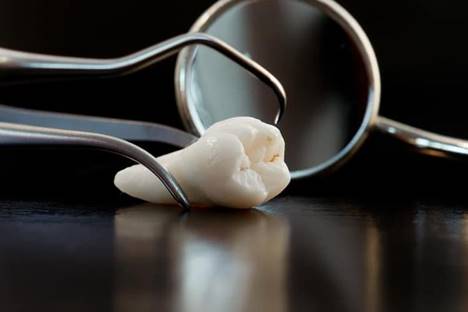
Wisdom teeth, also known as third molars, typically erupt between the ages of 17 and 25. While some people experience no issues, others may face problems like:

  • Impaction (teeth trapped in gums or jawbone)
  • Crowding or damage to adjacent teeth
  • Infection or cysts due to improper eruption

These issues often lead to surgical removal, especially when the teeth don’t have enough room to grow properly.

⏱️ So, How Long Does It Take to Extract Wisdom Teeth?

👉 Average Extraction Time: 20–60 Minutes Total

The total time for extracting wisdom teeth can vary depending on several factors:

Type of Extraction Time Per Tooth Notes
Simple Extraction 10–20 minutes Fully erupted tooth, minimal complications
Surgical Extraction (Impacted) 30–60 minutes Requires incisions, bone removal, or sectioning the tooth
All Four Teeth (Typical Case) 30–90 minutes Often done in one session with anesthesia

🧪 What Affects Wisdom Tooth Extraction Time?

  1. Tooth Position
  • Erupted teeth are quicker to extract.
  • Impacted teeth, especially those beneath bone or soft tissue, take longer.
  1. Number of Teeth Removed
  • Extracting 1–2 teeth is faster than all four at once, though many patients opt for one session.
  1. Complexity of the Case
  • Teeth growing horizontally or at odd angles may require sectioning.
  • Presence of cysts or close proximity to nerves increases difficulty and time.
  1. Anesthesia Type
  • Local anesthesia typically takes less time than procedures using IV sedation or general anesthesia, which add prep and recovery time.

🏥 Step-by-Step: What Happens During the Procedure?

🪥 1. Preparation

  • Numbing with local anesthesia or sedative
  • Monitoring vital signs (if sedation is used)

️ 2. Extraction

  • Gum incision (for impacted teeth)
  • Removal of bone (if necessary)
  • Tooth sectioning and removal
  • Stitches to close the surgical site (if needed)

🛌 3. Recovery

  • Short in-clinic monitoring (15–45 minutes if sedation used)
  • You’ll need someone to drive you home

✅ Benefits of Getting Wisdom Teeth Removed

While it may sound intimidating, removing wisdom teeth can offer many benefits:

  • Prevent crowding of other teeth
  • Avoid infections, cysts, or decay
  • Reduce jaw pain and headaches linked to pressure
  • Protect nearby teeth from damage
  • Improve oral hygiene by eliminating hard-to-reach areas

🧠 Expert Tips to Make Your Procedure Smooth

🗓️ Before Surgery

  • Avoid eating 6–8 hours before if undergoing sedation
  • Arrange a ride home
  • Discuss medications or medical conditions with your oral surgeon

🧊 After Surgery

  • Apply ice packs to reduce swelling
  • Stick to soft foods like yogurt, soup, or mashed potatoes
  • Avoid smoking, straws, and alcohol for at least 72 hours
  • Follow your dentist’s aftercare instructions carefully

🔁 Comparison: One Tooth vs. All Four at Once

Option Pros Cons
One Tooth at a Time Shorter individual appointments Multiple visits and recoveries
All Four at Once One-time recovery, cost-effective Longer procedure, more downtime

Most oral surgeons recommend removing all four if they pose issues, especially during early adulthood.

🕓 Recovery Time After Wisdom Tooth Removal

While the procedure may only take an hour or so, recovery typically takes 3 to 7 days:

  • Day 1–2: Swelling and mild discomfort
  • Day 3–4: Stitches dissolve (if used), inflammation decreases
  • Day 5–7: Return to normal activities, full healing begins

Complete bone and gum healing may take a few weeks, but most patients resume normal life quickly.

🧾 Frequently Asked Questions (FAQs)

Q: Can I go to work the next day?

A: Most people take 1–3 days off. Plan for downtime, especially if all four teeth are removed.

Q: Will it hurt?

A: You’ll feel minimal pain during the procedure thanks to anesthesia. Some soreness afterward is normal and manageable with medication.

Q: Is it better to remove wisdom teeth early?

A: Yes. Removal is generally easier and recovery faster before roots fully develop, typically in your late teens or early 20s.

📣 Final Thoughts

So, how long does it take to extract wisdom teeth? In most cases, less than an hour—but proper planning and aftercare are essential for a smooth experience. Whether you’re removing one or all four, understanding the timeline and process can ease anxiety and help you recover comfortably.

How Long Do Veneers Last? A Look at Their Durability

A Smile That Lasts—But for How Long?

After years of hiding her smile, Emily finally decided to get dental veneers to fix her chipped and stained front teeth. The result? A flawless smile that instantly boosted her confidence. But like many patients, she had one important question: “How long will my veneers last?”

If you’re considering veneers or already have them, understanding their durability is essential for maintaining a long-lasting, beautiful smile.

What Are Dental Veneers?

Dental veneers are thin, custom-made shells made of porcelain or composite resin that are bonded to the front of your teeth. They are designed to improve the appearance of discolored, chipped, misaligned, or uneven teeth.

Veneers are popular in cosmetic dentistry because they offer a natural look, are stain-resistant, and require minimal tooth reshaping.

How Long Do Veneers Typically Last?

The lifespan of veneers depends largely on the material and how well they’re cared for:

  • Porcelain veneers: Last 10 to 15 years, sometimes even 20 years with excellent care.
  • Composite veneers: Typically last 5 to 7 years, though they are more affordable and easier to repair.

According to the American Dental Association (ADA), porcelain veneers are more durable and have a higher success rate in long-term use compared to composite materials.

Are Dental Veneers Worth the Investment? Here’s What You Should Consider

What Affects the Lifespan of Veneers?

Several factors can influence how long your veneers last:

  1. Material Type

Porcelain is stronger, more resistant to staining, and lasts longer than composite resin.

  1. Oral Hygiene

Brushing twice daily, flossing, and regular dental cleanings are crucial.

  1. Biting Habits

Avoid using your teeth to open packages or bite on hard items like ice or pens.

  1. Teeth Grinding (Bruxism)

Grinding can wear down or even crack veneers. A nightguard may be recommended.

  1. Diet and Lifestyle

Staining agents like red wine, coffee, and tobacco can affect composite veneers faster than porcelain.

When Do Veneers Need to Be Replaced?

Veneers may need replacement when:

  • They become cracked, chipped, or worn
  • The bond between veneer and tooth weakens
  • Gum recession exposes the edge of the veneer
  • You want to update their appearance

Your dentist will regularly evaluate the condition of your veneers during checkups.

Tips to Make Veneers Last Longer

  • Practice excellent oral hygiene
  • Use a soft-bristled toothbrush and non-abrasive toothpaste
  • Avoid biting hard foods directly with veneered teeth
  • Wear a mouthguard if you grind your teeth
  • Schedule regular dental visits every six months

Are Veneers Worth the Investment?

Absolutely! While veneers are a cosmetic procedure, they offer lasting benefits beyond appearance. They restore confidence, improve oral function, and with proper care, provide over a decade of smile enhancement.

Many patients in Texas and beyond are choosing veneers to transform their smiles with long-term, natural-looking results.

Final Thoughts

Veneers are a durable, effective way to achieve the smile you’ve always wanted. With proper care and regular dental visits, your veneers can last many years—offering both function and beauty.

Are you ready to find out if veneers are the long-term smile solution you’ve been searching for?

How Soon Can I Start to Chew Food After a Tooth Extraction?

This is one of the most common concerns after oral surgery—and for good reason. Eating too soon or the wrong way can interfere with healing and lead to complications like dry socket. In this guide, we’ll break down exactly when and how you can safely return to eating solid foods, plus what to avoid and why.

Quick Answer: When Can I Chew After a Tooth Extraction?

Most people can begin chewing soft foods within 24 hours, but you should avoid chewing directly on the extraction site for at least 7 to 10 days.

Full chewing on that side of the mouth should resume only when your gum tissue has sufficiently healed—typically 1 to 2 weeks, depending on the complexity of the extraction and your body’s healing speed.

Why Does Timing Matter After a Tooth Extraction?

Tooth extractions leave an open wound in your gum and jawbone. Right after the procedure, a blood clot forms over the extraction site, which is critical for healing.

Chewing too soon—or on the wrong foods—can:

  • Dislodge the clot (causing dry socket, a painful complication)
  • Reopen the wound
  • Invite bacteria and infection
  • Delay the healing process

That’s why careful attention to what and how you eat is essential in the first few days after extraction.

A Day-by-Day Eating Timeline After Tooth Extraction

Day 1 (First 24 Hours)

Stick to liquids and very soft, cold foods only.

  • Broths, yogurt, applesauce, smoothies (no straw!), ice cream
  • Avoid: hot foods, chewing, or anything that might disturb the clot

Tip: Don’t rinse vigorously, suck through a straw, or smoke—these can dislodge the clot.

Day 2–3

You can begin chewing on the opposite side of your mouth with soft foods.

  • Mashed potatoes, scrambled eggs, oatmeal, soft pasta
  • Still avoid anything crunchy, chewy, or spicy

Pain and swelling should begin to ease by this point.

Day 4–7

Continue with soft foods, gradually increasing texture as tolerated.

  • Cooked vegetables, soft rice, fish, soft breads
  • You may start light chewing—but not near the extraction site.

Week 2 and Beyond

If healing is progressing well and your dentist gives the green light, you can slowly resume normal chewing, including slightly firmer foods.

However, avoid hard, crunchy, or sticky foods (like chips, nuts, candy) for at least two weeks—especially near the surgical area.

Best Foods to Eat After a Tooth Extraction

Here’s a helpful list of tooth-friendly foods to aid healing and reduce discomfort:

Safe Foods Avoid These
Smoothies (no straw) Chips, crackers, nuts
Mashed potatoes Chewy meats
Soup (lukewarm) Acidic or spicy dishes
Yogurt & pudding Hard vegetables/fruits
Scrambled eggs Sticky foods like caramel
Oatmeal & soft cereal Alcohol and carbonated drinks


What If You Chew Too Soon?

If you accidentally chew on the extraction site or eat something too hard, monitor for signs of trouble:

  • Intense or throbbing pain several days post-op
  • Bad taste in your mouth
  • Swelling or bleeding that worsens
  • Visible white bone in the socket

These may indicate dry socket or infection—contact your dentist immediately if you experience these symptoms.

Final Takeaway: Take It Slow, and Let Healing Lead the Way

To avoid complications and ensure a smooth recovery, ease back into chewing gradually. Focus on soft, nourishing foods in the first week, and wait until your extraction site is fully healed before chewing anything firm on that side.

Bottom line: You can usually begin chewing soft foods within a day or two—but avoid the extraction site for at least a full week. Always follow your dentist’s personalized instructions for best results.

FAQs: Chewing After Tooth Extraction

Can I chew on the opposite side of my mouth?

Yes—starting day 2 or 3, you can chew soft foods on the opposite side of your mouth.

When can I eat solid food again?

You can reintroduce solid foods gradually after 7–10 days, depending on healing and your dentist’s advice.

What if I had a wisdom tooth removed?

Recovery for wisdom tooth extraction—especially lower impacted ones—may take longer. Stick with soft foods for 10–14 days.


What Are the Causes of Periodontitis?

Periodontitis, commonly known as gum disease, is a severe infection that damages the soft tissue and bone supporting the teeth. If left untreated, it can lead to tooth loss and other serious health complications. Understanding its causes is essential for prevention and maintaining optimal oral health.

What is Periodontitis?

Periodontitis is an advanced stage of gum disease that results from prolonged inflammation and bacterial infection in the gums. It typically starts as gingivitis, a mild form of gum disease, before progressing into a more serious condition that affects the surrounding bone structure.

Common Causes of Periodontitis

  1. Poor Oral Hygiene

Neglecting regular brushing and flossing allows plaque to accumulate on the teeth and gums. Over time, plaque hardens into tartar, which harbors harmful bacteria, leading to gum inflammation and periodontal disease.

  1. Smoking and Tobacco Use

Smoking and the use of tobacco products weaken the immune system, making it harder for the body to fight infections, including gum disease. Smokers are at a significantly higher risk of developing periodontitis compared to non-smokers.

  1. Genetic Factors

Some individuals are genetically predisposed to periodontal disease. Even with good oral hygiene, they may still develop gum problems due to their genetic makeup.

  1. Poor Diet and Nutrition

A diet lacking in essential nutrients, particularly vitamin C, can compromise gum health. Sugary and processed foods contribute to plaque buildup, increasing the risk of gum disease.

  1. Underlying Health Conditions

Certain systemic diseases, such as diabetes, heart disease, and immune disorders, can contribute to gum disease. People with diabetes, in particular, are more susceptible due to their body’s impaired ability to heal infections.

  1. Hormonal Changes

Fluctuations in hormone levels, such as those experienced during pregnancy, menstruation, or menopause, can make gums more sensitive and prone to inflammation, increasing the risk of periodontal disease.

  1. Stress

Chronic stress weakens the immune system and reduces the body’s ability to fight off infections, including those affecting the gums.

  1. Clenching or Grinding Teeth (Bruxism)

Excessive teeth grinding or jaw clenching can put extra pressure on the supporting tissues of the teeth, accelerating the progression of gum disease.

Signs and Symptoms of Periodontal Disease

  • Persistent bad breath (halitosis)
  • Red, swollen, or bleeding gums
  • Gum recession (gums pulling away from teeth)
  • Loose or shifting teeth
  • Pain while chewing
  • Pus between teeth and gums

How to Prevent Periodontitis

  • Practice Good Oral Hygiene: Brush twice a day, floss daily, and use an antibacterial mouthwash.
  • Regular Dental Checkups: Visit a dentist every six months for cleanings and early detection of gum disease.
  • Avoid Smoking and Tobacco: Quitting smoking significantly reduces the risk of gum disease.
  • Eat a Healthy Diet: Incorporate fruits, vegetables, and foods rich in vitamins to support gum health.
  • Manage Health Conditions: If you have diabetes or other systemic diseases, keep them under control to minimize the risk of gum disease.

Conclusion

Periodontitis is a preventable but serious condition that affects oral and overall health. By understanding its causes and taking proactive steps to maintain good oral hygiene, you can significantly reduce the risk of gum disease and enjoy a healthy smile for years to come. If you experience any symptoms, consult a dental professional immediately for early intervention and treatment.